Thursday, August 16, 2012

Informal Builders

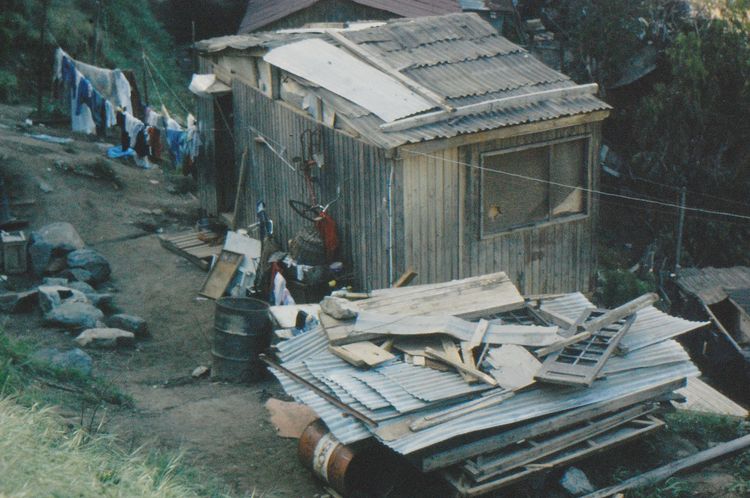
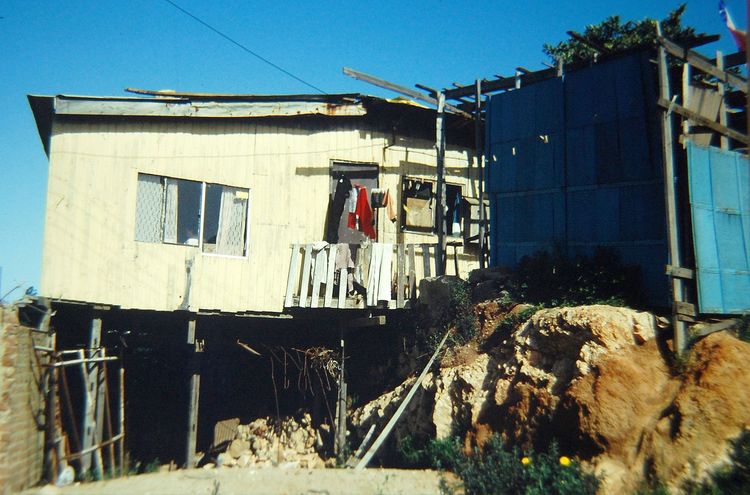
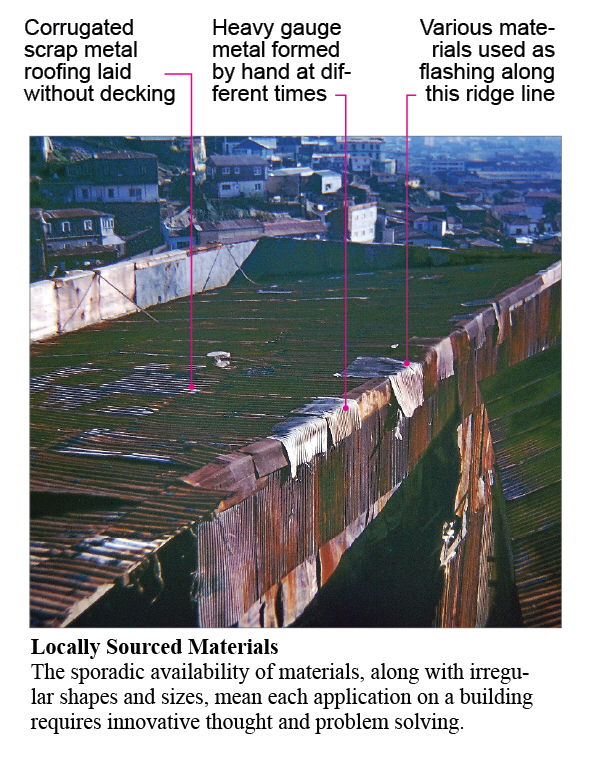
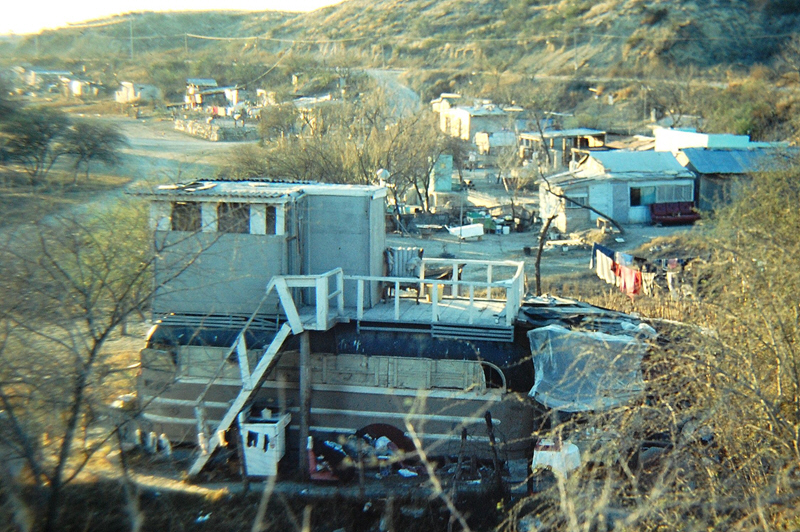
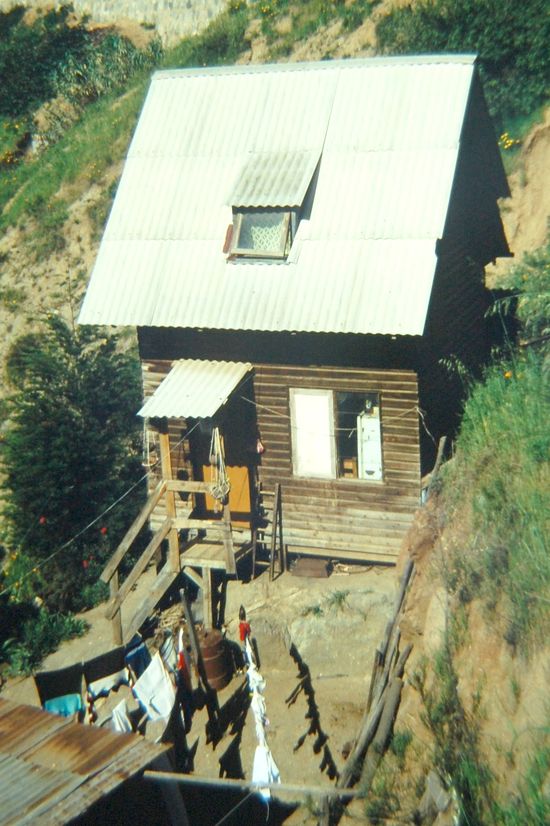
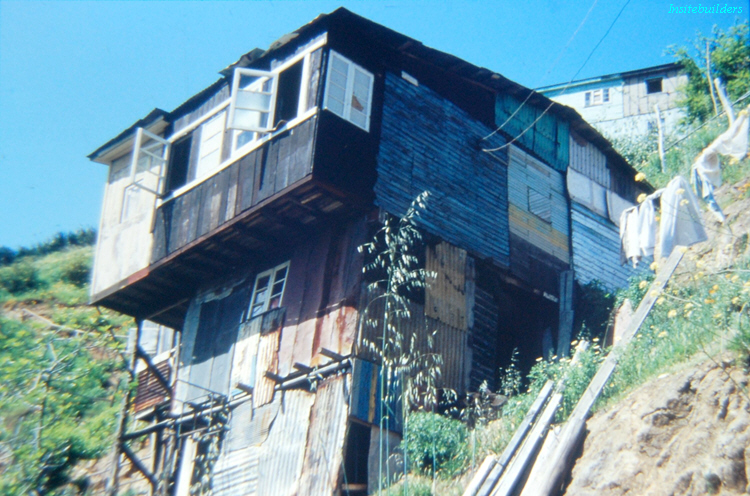
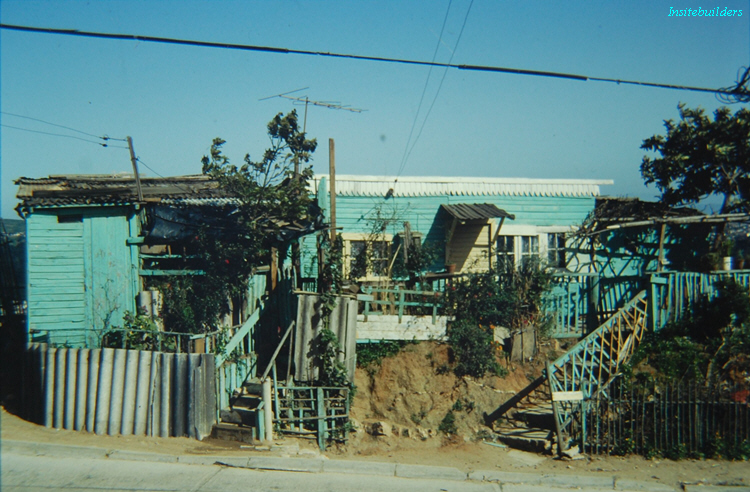
An informal builder is an economically marginalized man or woman, untrained and often inexperienced, who builds intuitively on invaded land while avoiding regulated standards or conventional methods. They build slowly without the luxury of design or plan, using simple tools and salvaged or discarded materials with the singular objective of meeting the immediate needs of their survival.

Homebuilt House, informal builders – See Insitebuilders

Marginalized by factors far beyond their control, these builders have opted out of a formal economy and decide to build housing for themselves on otherwise wasted or unusable land. Excluded by high costs and regulated values, they build because there are no other options for their housing, no clear path to follow for their security, and no desire to become dependent on what is often a corrupt and ineffective government.

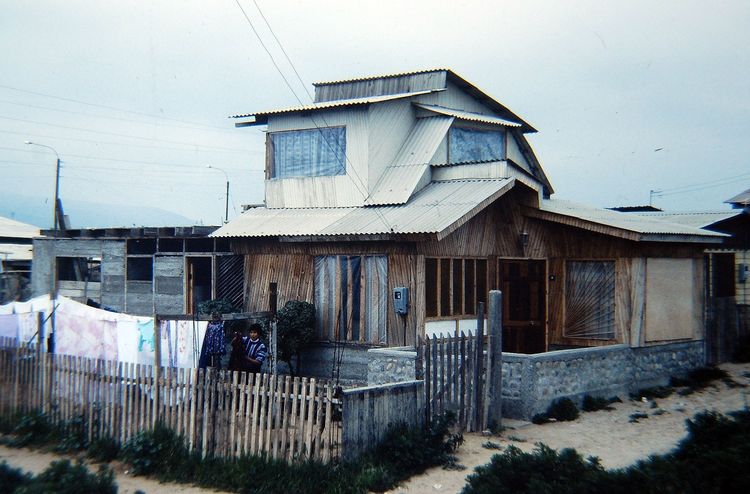
Ideas emerge from instincts What is surprising is that given what seems like insurmountable challenges, the details of many informal houses go far beyond what is absolutely necessary for basic shelter. Some builders are clearly experimenting with new ideas.


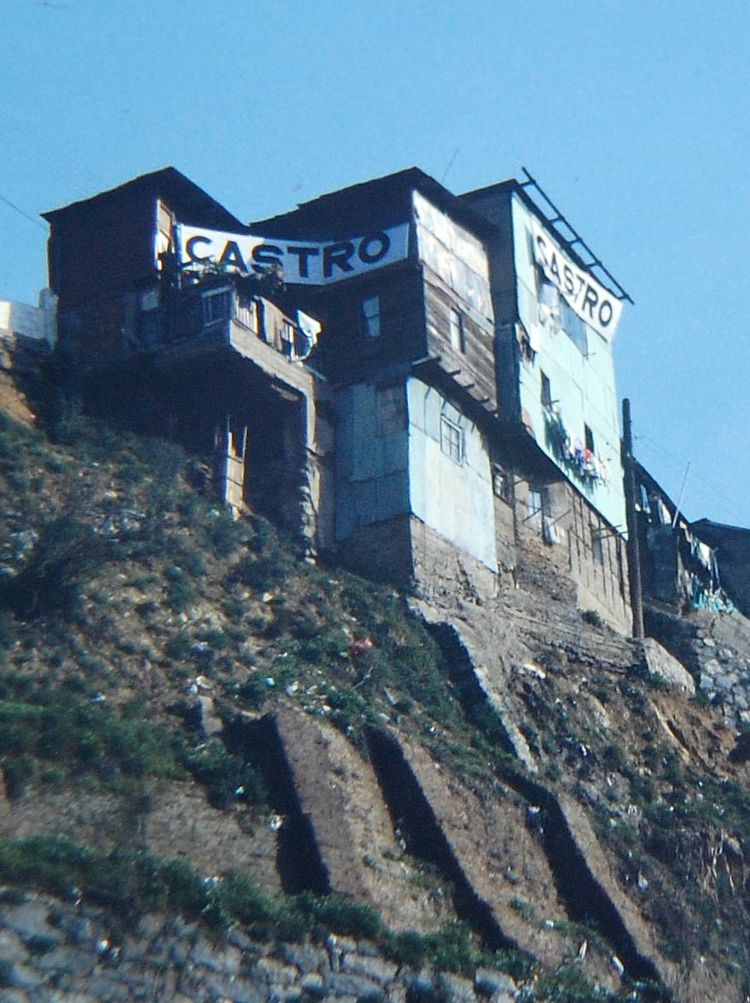
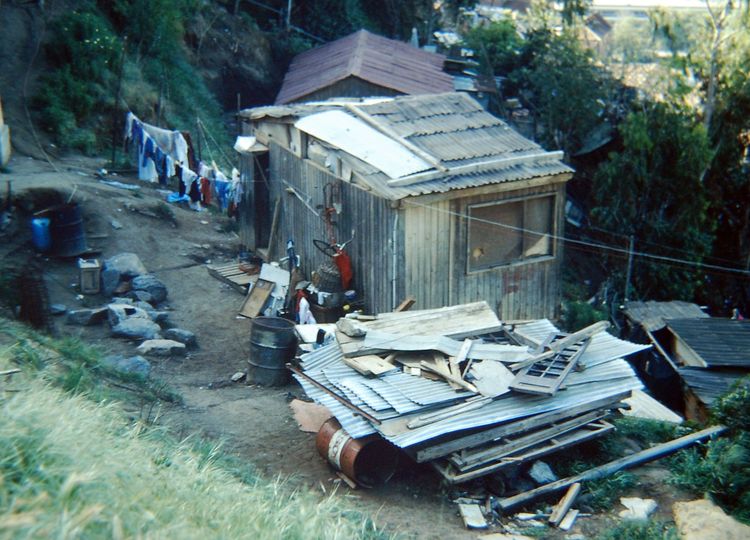
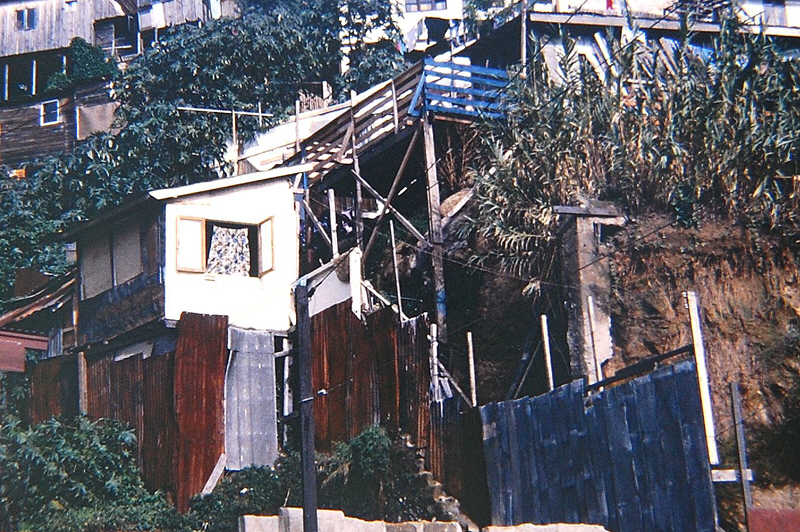
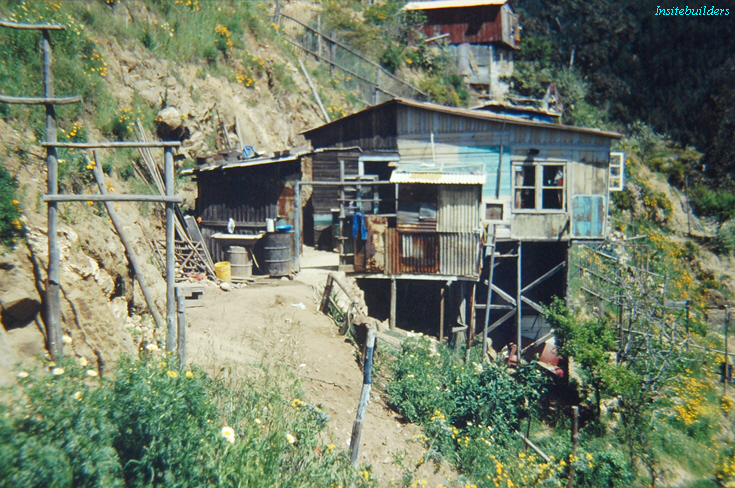
Ideas and instincts are of course all that any good builder ever has, but even the crudest house in an informal settlement is evidence of the self-confidence, optimism, and desperation that drives these self-determined builders to assemble what often appears to be an outrageously dangerous structure. Perched on steep hillsides or abandoned riverbeds, these houses take on the characteristics and details of a vernacular based on a chaotic collection of materials, hunted and gathered from the waste streams that surrounded them. 

Homebuilt House, informal builders – See Insitebuilders

Hands-on Builder 
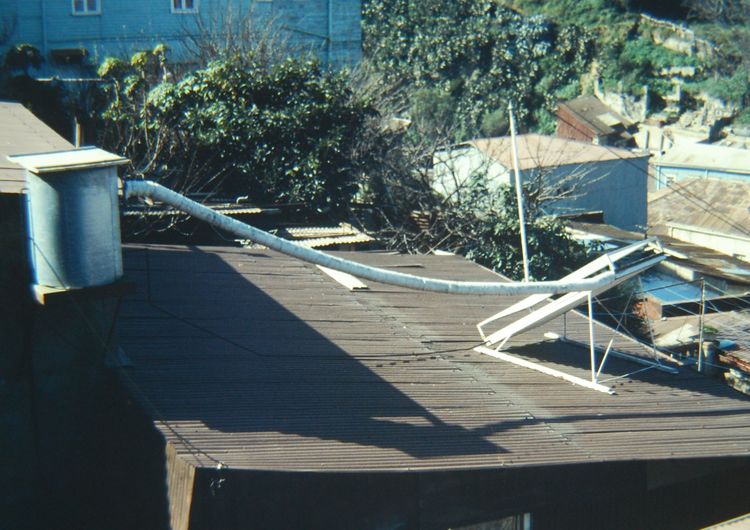
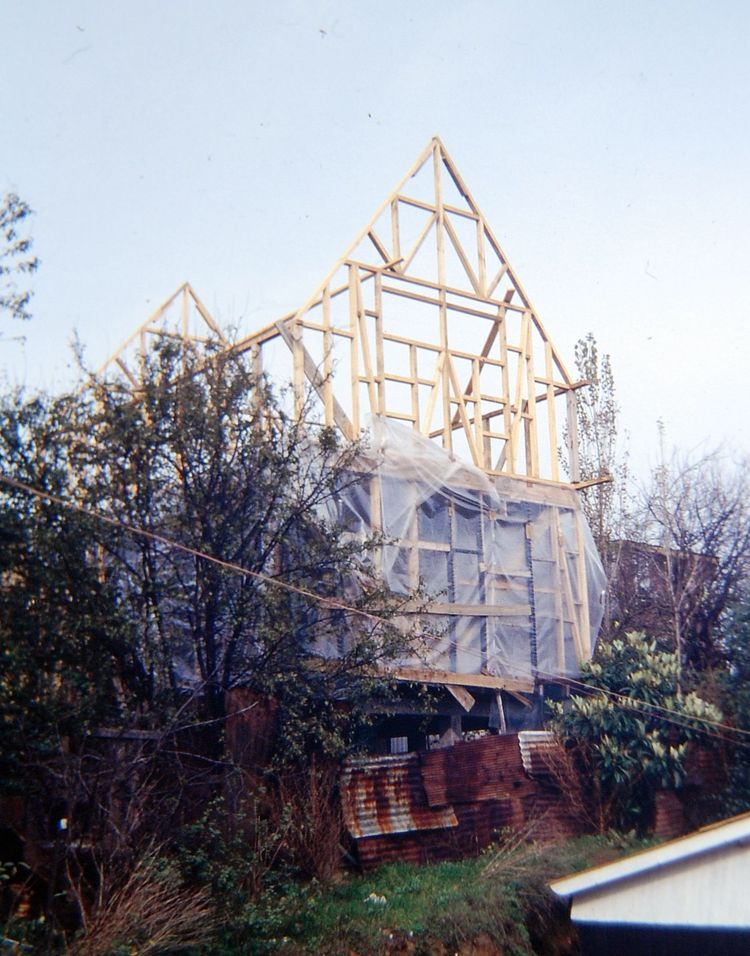
Most interesting is that informal builders share a tactile understanding of the three-dimensional potential of a material. This includes a willingness to visually test ideas by fitting a variety of objects together, piecing them into the details of an evolving physical form. These builders work like sculptors, assembling, deconstructing, and revising their buildings according to the “feel” of a natural builder. 

Homebuilt House, informal builders – See Insitebuilders   

With no preconceived plan, each piece of the construction therefore becomes a form giver, continually rethought in the context of its assembly. As materials are sorted, stored, and temporarily installed, the construction waits for some future inspiration, perhaps a completely different idea that will only come from materials that remain to be discovered. 
 
Homebuilt House, informal builders – See Insitebuilders

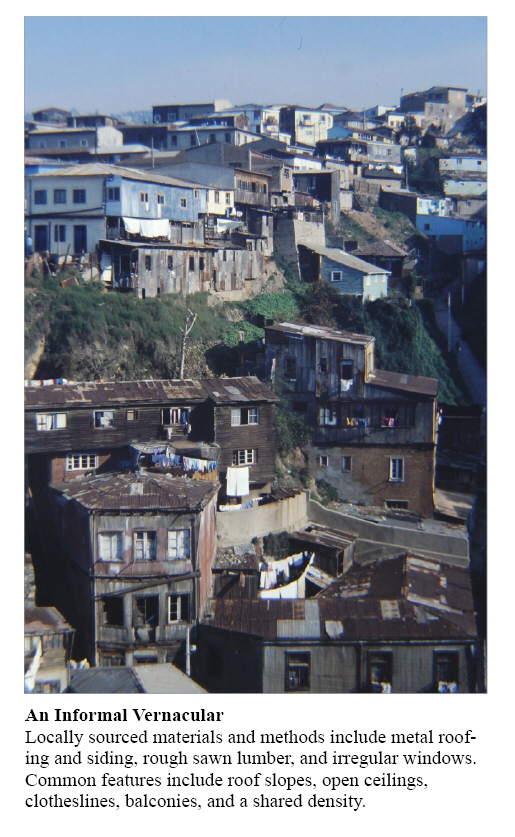
An informal vernacular  
Important is that what we see as a result comes from an indeterminate process. There is no schedule, no list of materials, and only a vague idea of what the house might look like if it is ever finished. This struggle comes not from a desire to own or possess something of value, but to protect and provide shelter in an uncertain world. The process thereby provides both purpose and place to a family in the hopes that their determination will one day turn this house into a place they can call home. 

Homebuilt House, informal builders – See Insitebuilders

The commitment of informal builders to their work is clearly reflected in this capacity to endure the unpredictable circumstances of their lives. What remains is to wonder at the perceptive choices of their informal constructions, choices that are somehow oddly humanized by a self-determined struggle for survival.
.
Working draft taken from: HOME-BUILT HOUSE: Shelter for an Uncertain World, ISBN 978 09762741 7 9, due out later this year (I hope) as a full color/interactive eBook. .

Wednesday, July 11, 2012

Beyond Simply Design

SketchUp has long been known as a simple 3D modeling program. In the hands of a professional designer, it can be used to create amazingly dramatic renderings of imagined buildings. It is also used by movie producers, set designers, and game builders to create magically immersive worlds that provide realistic backdrops to tell their stories -- or kill some threatening predator.
 SketchUp in Game Design - Insitebuilders
SketchUp can now be linked to relatively inexpensive three-dimensional printers to “print” physical models that can be held in hand, passed around, and studied without the need for a computer to mediate interaction with an idea.
 SketchUp and 3D Printing - Insitbuilders  
Results are not static
Big box material suppliers use similar 3D modeling programs to plan kitchens, patios, and even houses. Three-dimensional models are effective tools for retailers, because they visually close on an idea and turn it into actual sales. For example, with a few clicks through an IKEA 3D planning program, entire rooms can be laid out, revised, and printed to include a complete list of materials along with total costs, SKU numbers, and aisle locations for pickup on your way to the checkout line.
IKEA 3D Splash Planner - Insitebuilders
The freedom to explore one’s own ideas using antiquated drafting tools was once an intimidating prospect. It took training to draw plans and elevations, or a vertical section through a room -- let alone a three dimensional sketch. Ironically, when complete, old school experts were needed to visually interpret their own solutions, relying on practiced jargon, napkin sketches, and cardboard models to help people “understand” what they wanted a contractor to build.

Following professorial edicts, these professionals were more often far removed from the realities of the budgets and priorities of their clients. And unfortunately, the results were not always as they were sold, leaving owners and builders to work through errors, omissions, and misunderstandings that only added to the cost of the final construction.
Bad Design, Ironic Plumber - Insitebuilders  

Amateurs born on the platform
SketchUP has been instrumental in using 3D models to put “everyone” back in control of their own ideas. Amateur designers and their builders are now able to work directly in ways that were not possible only a few years ago. Simple 3D modeling and 2D drafting programs have opened doors to completely new self-made architectural expressions.
On the Platform with SketchUp - Insitebuilders
These are intuitive designs. Fantasies really, but not far from what many people pay a professional to create for them. The difference of course, is that a few hours of playing with a model becomes a form of self-expression that can only come from planning, rethinking, and revising one’s own ideas in three-dimensions.  

And that’s the point really
When SketchUp first came out, the marketing mantra was “3D for everyone.” The idea was that anyone could use the program to push-pull, orient, and imagine their own scaled solutions in three-dimensions. Neither design or construction are rocket science, and when the results are of one’s own making, even with a few problems and quirks, an owner –built house can be far more rewarding than living with someone else’s ideas.
SketchUp on the platform - Insitebuilders
In the end, design is no more than the ability to visually replicate historical or contemporary references that can now be found all over the internet. And construction is simply organized common sense. An assembly of pieces and materials in a logical sequence, according to readily available instructions, backed by builders who in practice often complete their work with barely a glance at a designer’s abstract plans and specifications.
.

Tuesday, June 12, 2012

Trimble SketchUp? Good Enough…

When the sale of Google SketchUp to Trimble Navigation was announced, it reminded me of the days when the original SketchUp development team was still around. They held an informal conference a few blocks from their offices in the Fall of 2005. It was a small gathering at a little hotel with break out sessions, a few larger presentations, and fabulous display of food and drinks. Not sure, but maybe 500 people tops attended, some invited, most came because they were chosen in a lottery.

At the time, not many realized this simple 3D modeling program was about to be swallowed up by some really big ideas.

SketchUp and @Last Software
@Last Software had a startup spirit then that was infectious and somehow oddly personal. The enthusiasm of their employees started at the top with founders Brad Schell and Joe Esch and made it all the way down to almost everyone in the organization. And thanks to Mark Carvalho and a core group of evangelists, their marketing approach was so personal that everyone wanted to meet the people who put this amazingly intuitive program together. All dedicated geniuses, that was pretty clear.
SketchUp Base Camp 2005 - Insitebuilders
It was also pretty clear that @Last was looking for an out. Autodesk and Google were sort of circling around, Trimble might have even been there. And there were open and honest conversations about the future direction for SketchUp including an all hands meeting where the development team introduced an early version of Layout -- a page composer that coupled 3D to 2D using an AutoCAD paperspace like environment. A photo texturing editor was also hinted at, as well as a passing mention of a geo-locating feature that linked SketchUp to Google Earth.
AutoCAD Paperspace - Insitebuilders.com
What was interesting was that these in-house presentations were more about testing reaction to ideas than it was about announcing new features. That worked because it triggered a lot of the discussion about balancing the wish-list for more “cool” design features with the original idea of keeping SketchUp a simple, user friendly 3D modeler. More than one attendee cautioned the team not to make things too complicated with new features. Keeping the program simple was something most understood as the strength of the program.

Of course, you can’t keep something simple and survive, let alone succeed – financially that is – without a lot of new features. You need a market, growth, and more paying users, and you couldn’t get that without a lot of hype and grandstanding.

Google and SketchUp
The startup energy was long gone when we revisited the SketchUp offices in Boulder after the Google acquisition. In its place were security procedures, unsmiling workers, openly political posturing, and a tension and focus that reminded us of an old fashioned sweatshop. Not that it was. It was just that the joy seemed to have faded into a kind of forced happiness that came with all you can eat goodies, offered like candy to children.

Probably no different than any other Google office on a normal day, but the contrast was striking when one thought back to the energy and enthusiasm of the original @Last team. We never went back. Google had literally moved Google Earth in on @Last, bringing with them a new and more global focus, big ideas and a lot of money.
Google Earth Cyber City - Insitebuilders.com
Though some at the 2005 conference believed SketchUp’s new geo-locating feature and Google Earth had rather limited applications, as it turned out it was that feature, along with patents on the simple and user friendly Push/Pull modeling engine, that sold Google on the acquisition. Their goal of course was to populate Google Earth with photoreal 3D models. We all know now that “Street Views” does a far better job of capturing real photo-reality. And it is Trimble Navigation that makes Street Views possible.

Now it’s Trimble’s turn
It’s interesting to read the latest threads on the SketchUp forums about the Trimble acquisition. Still the dreamy wish lists for all kinds of “cool” new features that Trimble should incorporate. Not that that’s bad, but it explains the kind of specialized focus that looks more to light rays, textures, and design tools that fuel both the forums and a much more interesting after market of Plugins and third-party programs.
CatchUp Newsletter - Insitebuilders.com
Of course, no one knows what Trimble’s plans really are, but it’s a pretty safe bet that they see the real value of SketchUp in the very same, simple, intuitive Push/Pull modeling engine that Google purchased from @Last -- and probably still maintains a financial interest.

Unlike many designers, almost every constructor knows what any one of Trimble Navigation’s four core market segments has already done to revolutionize field surveying, layout, agriculture, exploration, and geo-mapping. Their GPS technology has literally changed the way field work is done for almost everything that includes a survey, plot, plan, map, farm, drone, scanners, or satellite. This of course includes what Trimble Navigation did for “Street Views” and Google Earth. Trimble Navigation - Insitebuilders.com
http://www.geosystems.co.nz/drupal/taxonomy/term/16
http://www.korecgroup.com/


Add to these innovative technologies, the recent acquisition by Trimble Navigation of a handful of point scanning and BIM and CAD software and management companies and you get an idea why SketchUp is such a good fit for where they are going. A “cool” design tool may be on the table, but there’s much more opportunity in blending two and three-dimensional visualization with GPS, geo-data, mapping, engineering, production, and civil and building construction.
Real Works Tunnel - Insitebuilders.com
These are the core markets for Trimble Navigation and there is little doubt that all of these systems are about to see the same simple 3D modeling engine that @Last invented and patented years ago incorporated into their software. It’s like going back into the future, all over again.

Back to Simple “3D for everybody”
The point here is that it’s the underlying simplicity programmed by Esch and Schell that makes SketchUp so valuable to these huge companies. These are pretty much the same lines of code, in the same software engine, that the original @Last team introduced with the original versions of SketchUp all those years ago.

 And the real value of that embedded software code remains its simplicity. Being SUSTAINABLE - Insitebuilders.com
 The irony is that it’s this same original @Last simplicity that makes SketchUp so important for construction communications. In fact, one of our first books, 3D Construction Modeling (link), remains popular in the used book market because it uses SketchUp Version 4. Much easier to learn because it is exactly what @Last invented – a simple modeling program that brings “3D to everyone.”
Mastering the Art of 3D Construction Modeling - Insitebuilders.com 
I should confess here that all our models are built with version 5 (sometimes 6). In fact, the secret to make construction modeling fast and cost effective is to focus on keeping things plain and simple. This is the same thing that is driving the interests of industry giants like Google and Trimble Navigation in the SketchUp technology and paradoxically parallels the original vision for SketchUp as a simple 3D visualization tool. Remember “3D for everybody.”

In the end, the intent of a construction model is not to impress, but to simply and quickly inform and explain the means or method of a process in 3D. Coloring and rendering in the virtual world might be a lot of fun, but they’re time consuming and have no place in construction. And as Trimble knows, the real money has always been in the real world.
.

Tuesday, May 22, 2012

Where Design is Not an Option

Another working except from our new book: Surviving @ Net Zero: Building Shelter for an Uncertain World (Nov 2012)

A construction model is a good example of a tool that has changed the way we build buildings today. For most, these models are important because they increase productivity, efficiency, and profit, along with better documentation and the long dreamed of hope of eliminating conflicts before they get into the field. To capitalize on their potential, proponents of construction modeling have adopted industry wide euphemisms like “building information models” or “BIM” just to sell the idea. 
Piece-based construction model - Insitebuilders
For SketchUp construction modelers, the ability to fabricate materials, preassemble them as pieces and think through a quick three-dimensional process, while intuitively inventing solutions, is a return to the traditions of the early builders. The ability to piece together a simple construction model signals a new age and self-determined approach for the hands-on builder.

The natural builder
As a consequence of our modernity, the work of builders has long been overshadowed by formal contracts, costs, and values that have made the instincts of a natural builder pretty much irrelevant in a formal economy. It now takes a great deal of education, training and experience to succeed in the construction industry At the same time, informal builders work outside of a construction industry, untouched by money, profit or the satisfaction of a career. Impoverished, marginalized, and excluded by choice or chance, these builders build because there is no other option, no clear path to follow for their own personal security. To survive in an unregulated world, they must provide shelter for themselves and their families.
Surviving @ Net Zero: Building Shelter for an Uncertain World – Insitebuilders
What is interesting is that many of these builders go far beyond what is absolutely necessary for basic shelter, some are clearly experimenting with new ideas, and almost all share an intuitive blend of self-confidence, optimism, instinct, and desperation that leads them to build what often appear to be outrageously dangerous structures.
Surviving @ Net Zero: Building Shelter for an Uncertain World – Insitebuilders
Perched on steep hillsides or abandoned riverbeds, they put together buildings with a few hand tools, very little money, and an odd collection of materials hunted and gathered from whatever resources that surround them. The objects informal builders manage to find are indeterminate, which means they must constantly rethink their application, sorting and storing, waiting for some future inspiration -- perhaps an idea that will be triggered by their next material discovery. All of this, with hunger and insecurity relentlessly at play, ready to discourage their carefully considered inventive strategies.
Surviving @ Net Zero: Building Shelter for an Uncertain World – Insitebuilders
As a result, what we see in the informal sector are buildings shaped by luck, risk, and intuition. These are buildings assembled instinctively in a world where resources are unpredictable, random, and only available when found at little or no costs. Tools and experience influence quality, but constructions begin and end like sculptures. Without the luxury of a plan, design is not an option. Instead, pieces are assembled temporarily as a three-dimensional form of habitable storage, built to be deconstructed and reassembled as new materials are discovered and new configurations are created.  

An instinct for construction
What’s interesting is that these are the same instinctive qualities shared by builders assembling pieces for a virtual construction model. Like informal builders, piece-based modelers share a tactile understanding of the three-dimensional potential of a material. This includes their willingness to visually test ideas by fitting a variety of objects into the details of an evolving physical form -- assembling, deconstructing, and reassembling their buildings according to the self-determined “feel” of a natural builder.
Surviving @ Net Zero: Building Shelter for an Uncertain World – Insitebuilders
This innate passion for construction can be seen in the assemblies of many of the buildings in an informal settlement, clearly reflecting the capacity of their owners to endure the unpredictable circumstances of their lives, the absence of any official support, and the impoverished nature of simply surviving in a net-zero economy. What remains is to wonder at the perceptive genius of their informal constructions, something that has long since been lost to the standards, rules, and regulations of a formal economy.
.

Wednesday, April 18, 2012

Beyond Fashion and Style

Another working except from our new book: Surviving @ Net Zero: Building Shelter for an Uncertain World (Nov 2012)

Most would agree that the cultural context of a building influences the characteristics of its physical form. These are usually seen as decorative features, part of a temporal and evolving style, with no universal truth or purpose other than to entertain the aspirations of their clients. When they work, the resulting buildings fulfill the expectations of their time and place with no lasting influence on society or construction technology.
Insitebuilders: Surviving @ Net Zero: Shelter for an Uncertain World
Even classic building styles are self-defined by the historic, religious, or political discourse that surrounds them, icons of certain cultural values and not the result of some deeper social significance or aesthetic. As a result, we live with buildings that reproduce contemporary ideals only to be oddly antiquated with the passing of time.   

The Vernacular of Net Zero
By contrast, a vernacular architecture describes the physical characteristic of a building that reflects a common method of construction that uses local labor and materials to satisfy the shared needs of a community without adding superfluous stylistic decorations. There is no feature in a vernacular that goes beyond the functional requirements of its existence as a building. As such a vernacular is not influenced by changing trends or fashionable statements that find themselves dated and worn in time.
Insitebuilders: Surviving @ Net Zero: Shelter for an Uncertain World
Vernacular buildings are purposeful, reflecting a human response to their environmental, economic, and social context as a collection of inherent qualities that are often dismissed as crude and unsophisticated by proponents of more self-conscious building styles.
Insitebuilders: Surviving @ Net Zero: Shelter for an Uncertain World
The buildings seen in the informal sector reflect many of the values of a vernacular architecture. While some include personal expressions, they all use the same locally salvaged resources, built with simple hand tools and an intuitive, almost primitive approach to their construction. The result is an immediately recognizable sense of disorder that reflects the essence of their function as pure shelter. Insitebuilders: Surviving @ Net Zero: Shelter for an Uncertain World
This absence of order is of course shaped by impoverished technical limitations, economic exclusion, and a subsequent social marginality that has reduced these buildings to their primal purpose. As such they are a natural response to a basic need for self-preservation as a derivative of a net zero economy with no governing social mandate or regulatory authority to care for them.

Intuitive Construction Methods
What’s interesting is that these informal buildings are slowly reinforced by the security that comes with tenure on land occupied with varying levels of economic success. As such, they are not simply the result of a community of people desperately and haphazardly assembling buildings.

Instead there is a method to their construction that includes a carefully considered assumption of the potential of materials and methods, with clear evidence of varying levels of construction quality. The distinct features of an informal vernacular are driven by the limitations of the materials, tools, and skills available to their builders.
Insitebuilders: Surviving @ Net Zero: Shelter for an Uncertain World
Though it’s easy to discount the resulting structures as completely inadequate, look closer and you see details that require solutions that would be difficult to duplicate with formal construction methods.
Insitebuilders: Surviving @ Net Zero: Shelter for an Uncertain World
 As a result, what we see in these informal buildings is an architecture stripped of the systemic support of an industry of processed materials and practices, leaving the informal builder to invent and implement solutions that are fundamental to their personal needs. Design exists as physical form of three-dimensional problem solving, depending solely on available resources and reduced to the essence of self-determination, imagination, and inventive thought.

The 3D modeling methods of these unique builders follow a survival strategy that holds clear lessons for construction in an uncertain world.
.

Tuesday, March 20, 2012

Beyond Construction Modeling

It doesn’t take more than a few years teaching in a construction school to realize construction students are definitely a breed apart. This fact is particularly interesting when the school is within shouting distance of an architectural school.


For some reason, designers and constructors just don’t mix well. This, of course, is nothing new to anyone working on a jobsite, but it’s particularly interesting that this innate difference in personalities begins well before anyone enters a design or construction program.  

Bimification of Craft
Of course professionals work together effectively no matter what their personalities or motivations, recognizing a mutual interest in coordinating their efforts to get a project built. But the rationalization of the entire construction process tends to diminish both the craft of producing a design and the craft of building a building. In practice, the industrialization of the products created by designers and builders has been going on for a very long time and though both recognize the importance of the others’ work, few practicing today remember the draftsmen or carpenters that were once masters of their craft.

Sagrada MasterBuilders - Insitebuilders
In a fast paced bimified world, it’s very rare to meet either a designer or a builder who has achieved the level of expertise once seen with the legendary masterbuilders. Perhaps things are just too complicated now for individual expression. Where a sheet in a set of construction drawings was once drawn by one person and checked by another, CAD drawings are now a mix of overlays, cross references, imports, and paste-in-place, all following a preprogrammed, almost robotic computerized system.

Like manufacturing a new car, buildings are designed and assembled through repetitive work, maximum efficiency, and carefully managed production. When it works, it gets the job done, but the results are far from a personal expression of any individual’s skill.  

Techne of Craft
Sociologists see this loss of craft as the outcome of specialization, a function of modernity and the reduction of the master craftsmen to wage workers without the time or interest in perfecting their work. Ancient Greeks described the separation of craft from work as a philosophical trait they called “techne.” Techne is the mechanical skill, the living knowledge of a craft, as an understanding of something that brings a sense of satisfaction from a familiar expertise in making or doing.


Techne was once seen in singular objects that were drawn or created with a focus on the physical act of doing, not as an art, but as the result of the actions necessary to proudly put something together with one’s hands to solve a problem or make something that wasn’t there before. The objects that result come from a deep understanding of the tools and materials that are the manifestations of their craft.


The industrialization of craft is of course necessary for human progress. Most would agree there’s no way we could do what we do now in a purely craft-based economy. Considering the systems and specialization, let alone the growing intelligence of both the building and design documentation, we can only dream of those good old days. I’m happy I was a part of them.

Techne @ Net Zero
At the same time, techne exists in design and construction in what appears to be the absence of craft. This is the folk art of pottery and paint, the fantasies of individual expressions.

 
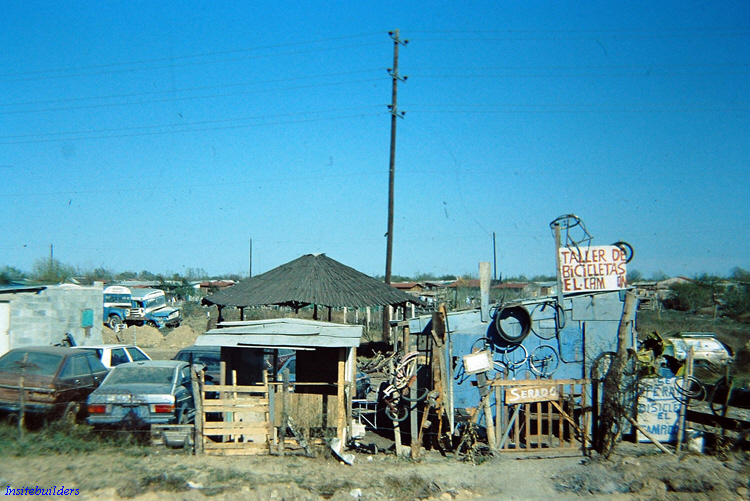
For construction professionals, techne is most apparent when we look at the disordered architecture of the informal sector. These are buildings where craft appears to be excluded from both the details and structure of their form. At the same time, if you look carefully (with the eye of a hands-on do-it-yourselfer) you see the ingenuity and determination embedded in an architecture with no presumptive form, no practiced pretense.

Informal bike shop - Insitebuilders
At first glance, these buildings may seem to be the antithesis of techne. Seen from a developed and disciplined world, they look like unconsciously erratic interpretations of architecture, expression of both untutored self-determination and limited imagination. But look again and you might see a reflection of the personalities we once held before being trained as designers and builders in a post modern world.

 Informal Builders - Insitebuilders - Casa 8 Elevation
Important is that these buildings stand as the result of impoverished humans responding to the need for shelter with little or no planning, using random and dysfunctional materials, limited tools, and a disordered process that reflects almost none of the formalized systems of an “educated” industrialized society. With no power, scaffolding, or equipment, this is architecture put together by hand with none of the practiced rigor of a preconceived plan or the processed consumables necessary to analytically assemble an orderly product.

Informal builders - Insitebuilders - Casa 8
Standing outside the formal constraints of a rational process, they are a unique human form, distillations of the essence of intuition and invention where shape and substance are created purely out of necessity and an instinct for survival.

Informal roadside sculpture - Insitebuilders
As a purely organic structure, they are built like sculptures with randomly collected materials pieced together to create an object that mixes both doing and design on the margins of rational industrialized thought.  

Beyond Construction Modeling
Study these buildings again as a construction modeler and you see an object that cannot be built as a 3D construction model, first because the pieces and placements don't conform to the simplified geometry of our bimified three-dimensional axes. Second, though the elevations might be photographically textured as a rendered model, the assembled materials cannot be organized in a computer to predict or inform a construction process.

Informal builders - Insitebuilders
Finally, neither the design nor construction can be reduced to an hourly wage. There is no schedule to manage, no deadlines, just an ongoing commitment to self-reliance and determination. Beyond craft or techne, what we see as a result are the purposeful limits of construction modeling.

When the innate personalities of designers and builders are left to wander without the professorial inputs of an institutionalized post industrial world, one is only left to marvel at the techne seen in these informal constructions.
.
Wednesday, February 15, 2012

Simple Process Model

SketchUp models are easily used to animate construction phases. They are quick to set up and can be important in illustrating a schedule or particular sequence of construction that might be critical to a bid or negotiation. Here’s an example (with no sound):


The animation was set up in five steps:

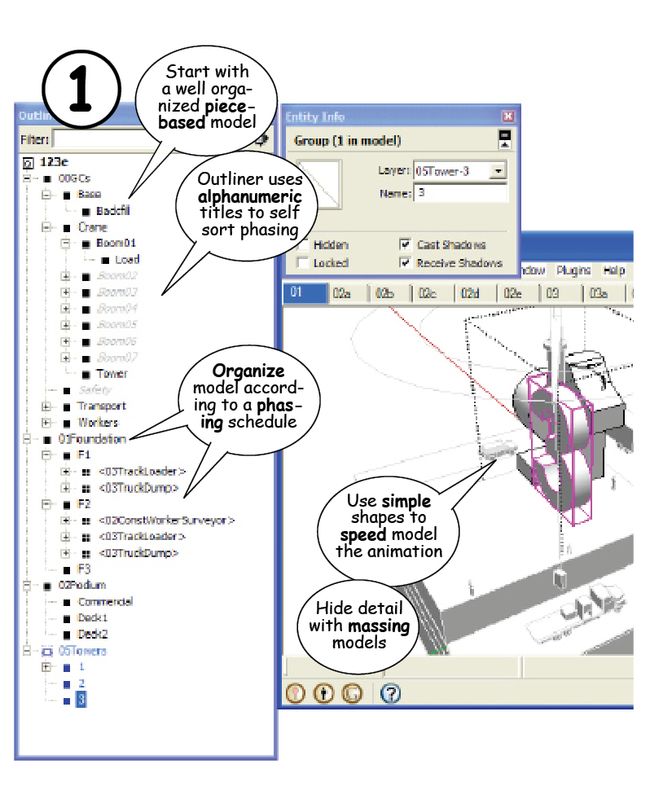
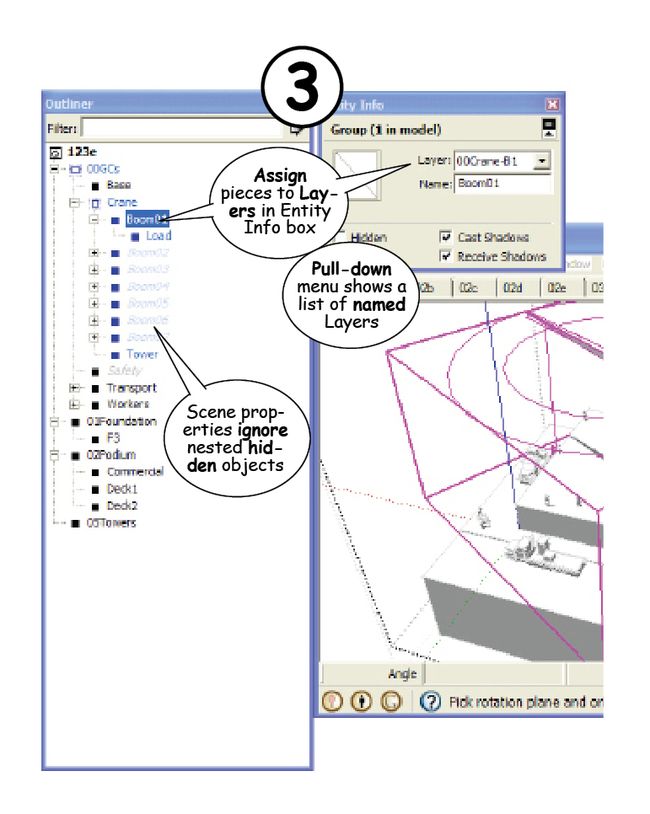
1. Organize the pieces in the Outliner. Start with a well organized construction model (use the 1, 2, and 3 method in the previous articles). Pieces should be grouped and nested according to phase and subcontracts and named alphanumerically so they self-sort in the Outliner. To preserve the original model, use Save As to save a version of the file for the animation.

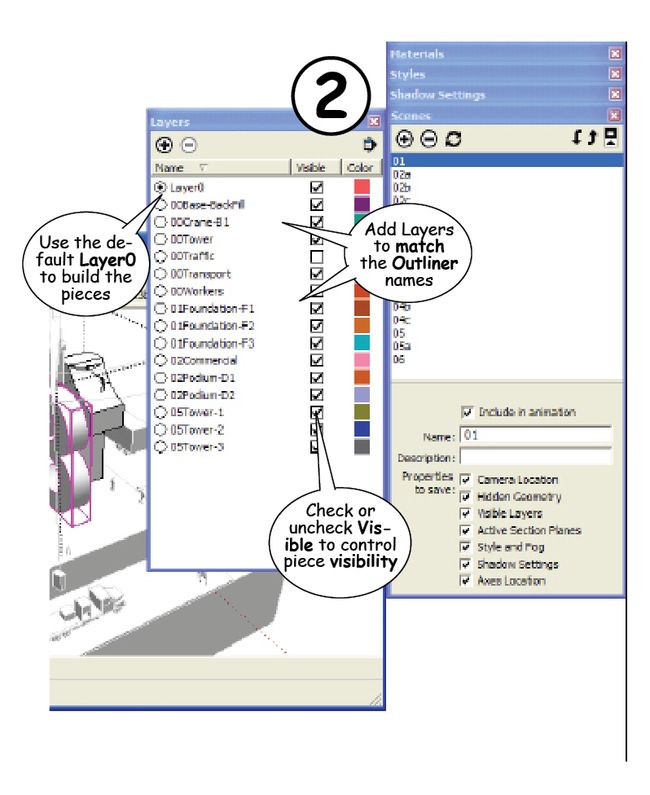
2. Add Layers for control objects. Add Layers to match the alphanumeric names of the pieces, Groups, or Components whose visibility you want to control.
 
3. Assign pieces to Layers. Select the control object in the Outliner, then use the pull down menu in the Entity Info box to assign it to a corresponding Layer.

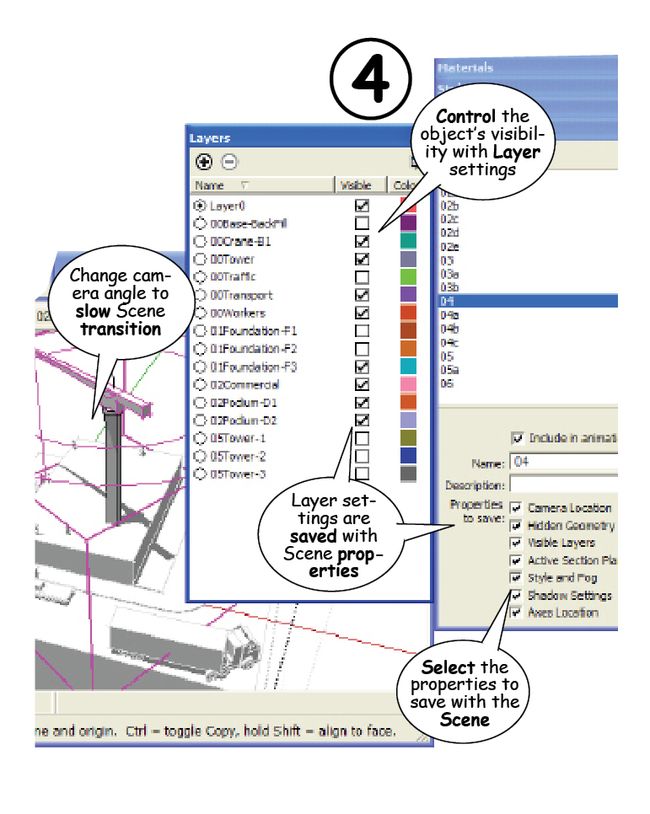
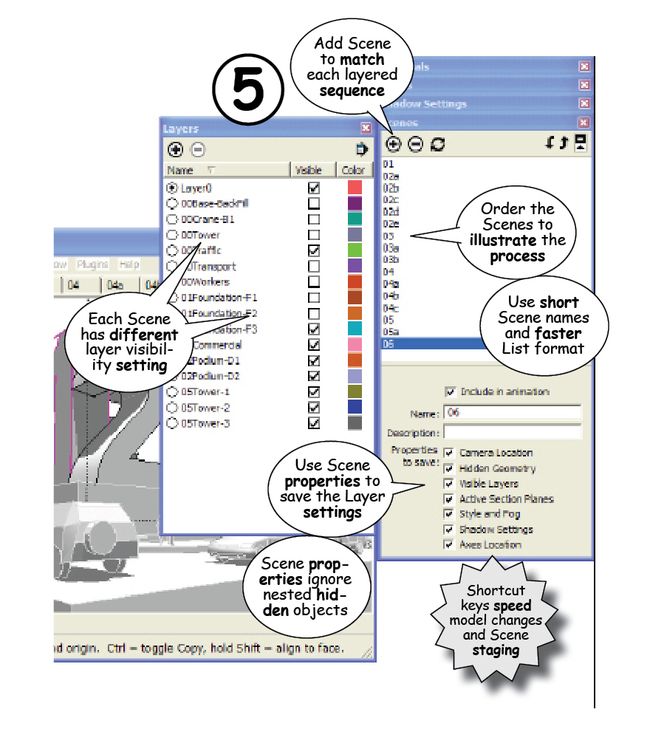
4. Set up Layer visibility and Camera. Check or uncheck “Visibility” in the Layers dialog box for each Scene. Change the camera angle, even if only slightly to slow the animation down. Remember you can set the seconds of the transition time between Scenes with the Windows > Model Info > Animation settings -- use at least 5 seconds with no delay time between Scenes.

5. Add the Scene. When the Layers and camera angle are set, click to add the Scene to the sequence. You can add more Scenes and reorder them in the animation with the Up and Down arrows at the top of the Scenes dialog box. Test the animation by clicking through the Scene tabs or the names in the Scenes dialog box before playing the final animation for export or recording. 05: Test SketchUp Scenes  
SOME TIPS:
a. Use simple shapes with minimal detail. Increase detailed Scenes later. 
b. LayerO is the default. Only assign Layers to control visibility. 
c. Shortcut keys are critical to fast and simple model construction. 
d. Hidden pieces within a group are not recognized by the Scene property settings. .