Friday, January 1, 2010

CADification of Communications

Not long ago, the intent of a working drawing was to graphically diagram the construction of a building. The general idea was to explain the work necessary to build a building according to the needs of an owner.


Designers drew drawings as a kind of two-dimensional shorthand to both interpret and convey the requirements for a building. Drafting those drawings and typing specifications was not easy, which meant only the most essential information was produced – just enough to communicate the construction and get the building built as quickly and efficiently as possible.


Designers were not paid to draft. They were paid to help build the building.
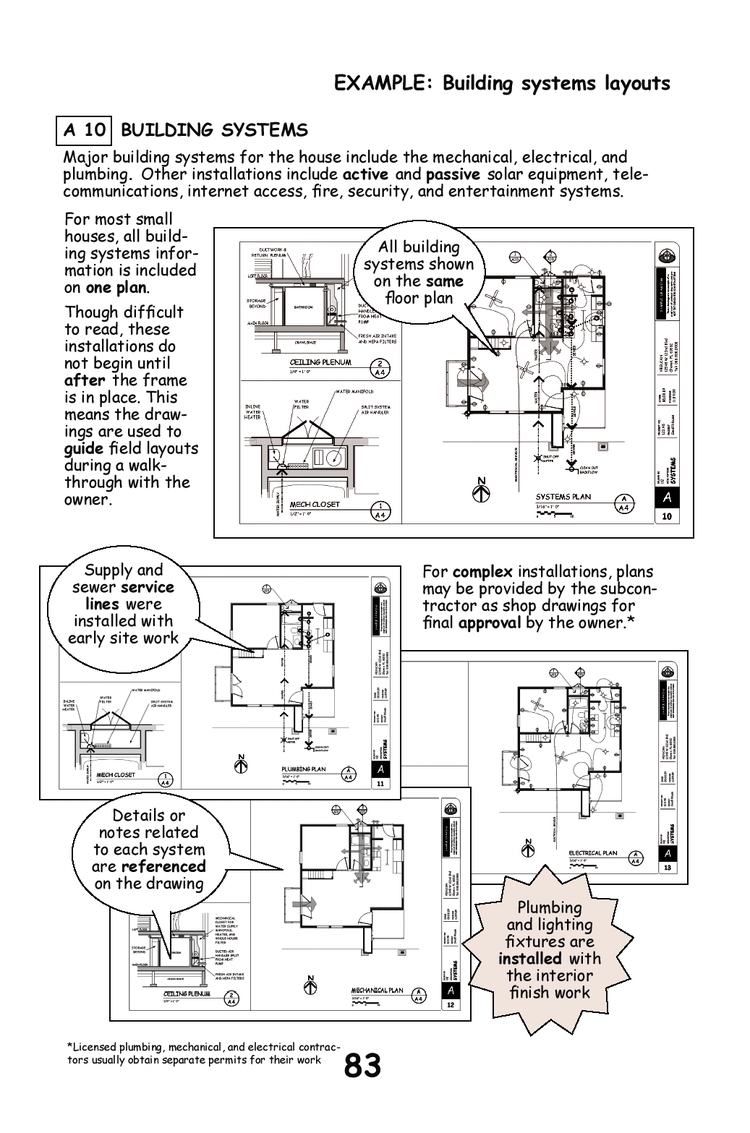


The fog of fee-based data


Today, in a computerized three-dimensional world, it stands to reason that a set of construction drawings has to include basic floor plans, elevations, sections, and details. Given the automated capabilities of CAD software, it also makes some sense to pump out site plans, schedules, structural, and MEP drawings simply because they can easily add bulk to a set of contract documents.


For more complex buildings, CAD operators can almost mindlessly cut and paste any number of sheets of standard details and schedules, along with cross-referenced layers of repetitive overlays, civil engineering drawings, and interior elevations.


In fact, if we believe the hype, it’s easy to imagine that entire sets of construction drawings can be parametrically extracted from a “simple” BIM model.


At the same time, entry level assistants can use form-based software with lightening fast laser printers to quickly generate stacks of specifications and other text based publications, adding several pounds to a neatly bound, crisp looking set of fee-based data.


Pound for pound, the resulting product looks and feels like it has a lot of value. It must be a good set of documents. There’s so much of it.


What are we doing?


Given that almost no one benefits from the weight of a set of construction documents, except a smart construction attorney, it only makes sense to step back and rethink what exactly we’re trying to do with this technology.


Program specific CAD-based drafting is like the proverbial I-got-a-hammer-and-everything-is-a-nail dilemma, even when no one, not the designers, builders, or owners see anything as simple as a nail as the primary purpose of the construction document.


There’s no doubt we need thse drawings, but paying tens of thousands of dollars to train and chase software upgrades is bordering on an obsession in many design offices, when all that is required is to communicate the information necessary to simply get the building built.


Worse yet, this creeping CADification is now beginning to impact construction management. An invasion that cuts to the core of the spiraling scope of construction services, leaving constructors to battle boldly in a computer generated war of technical upgrades that no one is going to win (except of course the attorneys…)
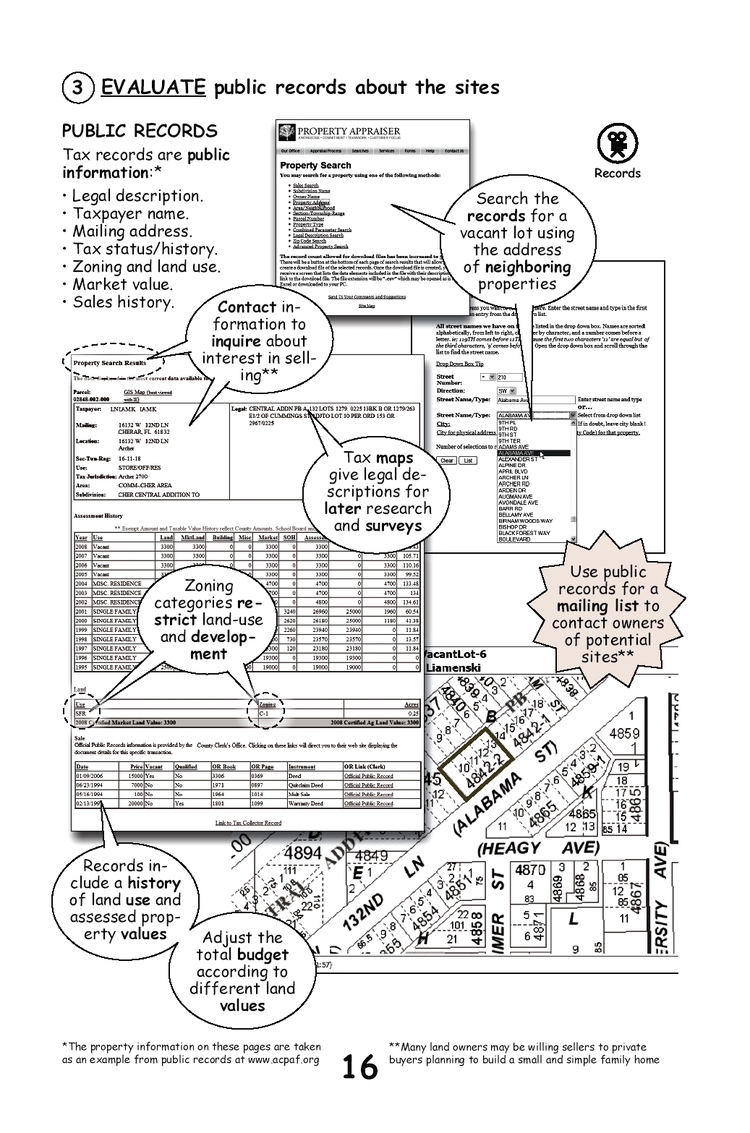
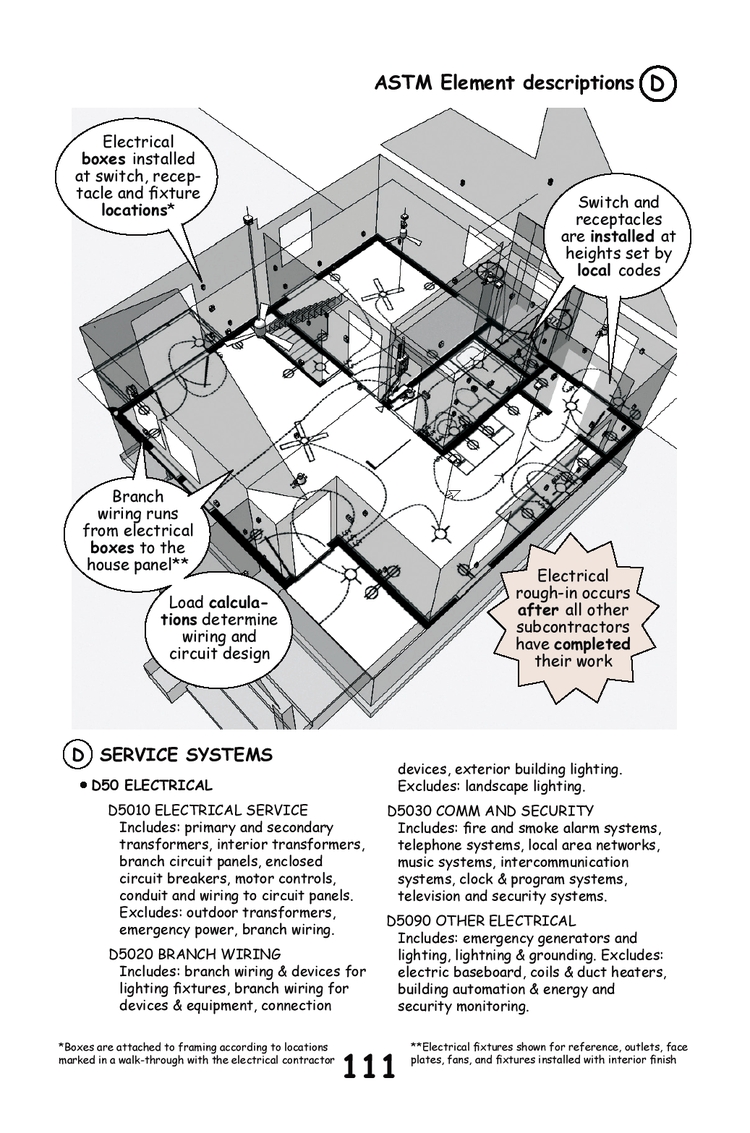

A hypergraphic communication toolkit


Since we all know the problem is a failure to communicate, why not use the array of simple tools now available on the web. Most of which are intuitive, easy to use, and absolutely free.


Obvious tools include programs like this blog, email, and web pages, we now use these kinds of tools everyday. Not so obvious are uncomplicated and transparent programs like:


Google SketchUp: a simple 3D modeler that almost anyone can use to build just about anything after 15 minutes of practice.


Scribus: one of the simplest desktop publishing programs one can imagine, combines drawing tools with text, photos, and images.


OpenOffice: open source software including a word processor, slide show maker, spreadsheet, and both paint and draw programs.


OpenProj: a simple and powerful schedule and project manager, using visual formats to plan and coordinate a project quickly and effectively.


WINK: takes screenshots, records video, and captures your voice to deliver animated instructions, tutorials, and real-time information from your desktop.


XnView: an image organization and editing tool that can crop and refine photos and drawings for the web, printed materials, and slide presentations.


Coffee Cup: a webpage editor to make your own project-based websites with access to free server space to maintain a place on the Internet that you can control.


Firezilla: a basic file management utility to drag and drop information on and off the internet and maintain your project postings.


Free-AVG: essential for web/email security, even monitors visited websites attempting unauthorized access to your computer.


PDF Fill/PDF writer: a collection of tools to create, modify, open and work with PDF files printed from any other program.


What’s amazing about these tools is that all of the programs are absolutely FREE. That’s what makes them so universally powerful and at the same time fundamentally difficult to bring into actual practice. No one is selling them and there is no hype to hide behind.


Instead, they’re quick to learn, easy to use, and only rarely upgraded by a public forum of users. They automate nothing, do not obfuscate with menu selections or dialog boxes and leave content in the hands of the provider.


They’re simply “good enough” to deliver your message, explain the construction, and get the building built.


These tools are like an assortment of electronically animated colored pencils. Each has a separate purpose and a specific communicative power. All they require is an understanding of what it is that needs to be explained and the confidence to step back and rethink what information is absolutely necessary to get the job done.
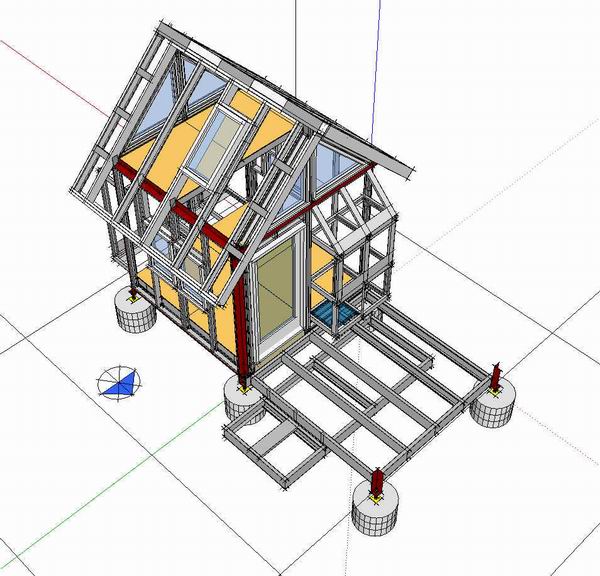


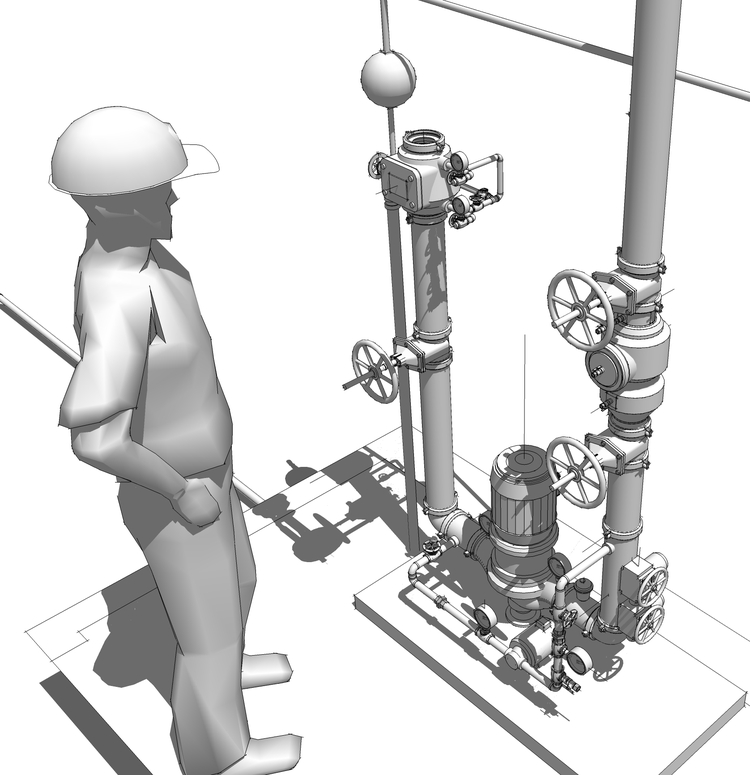
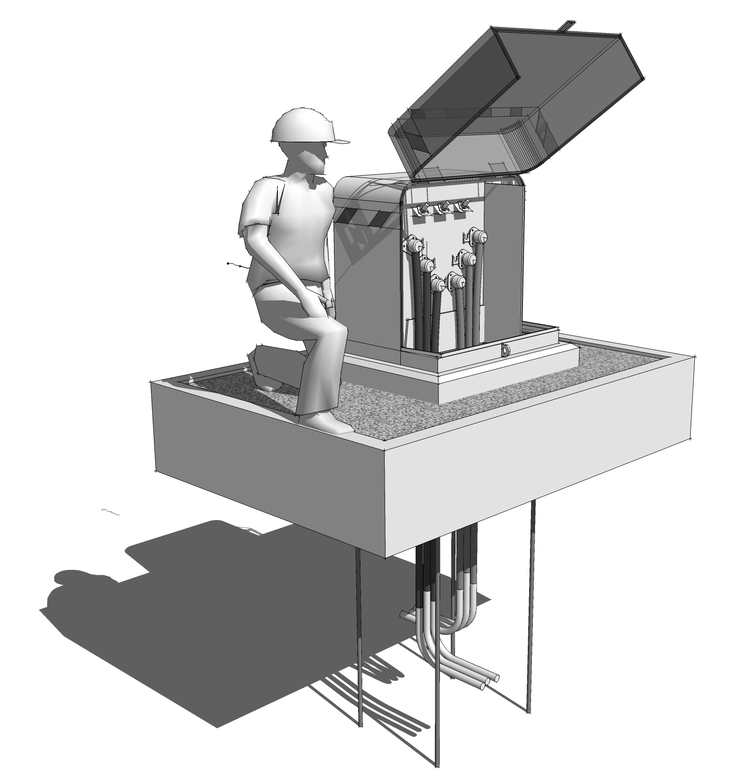
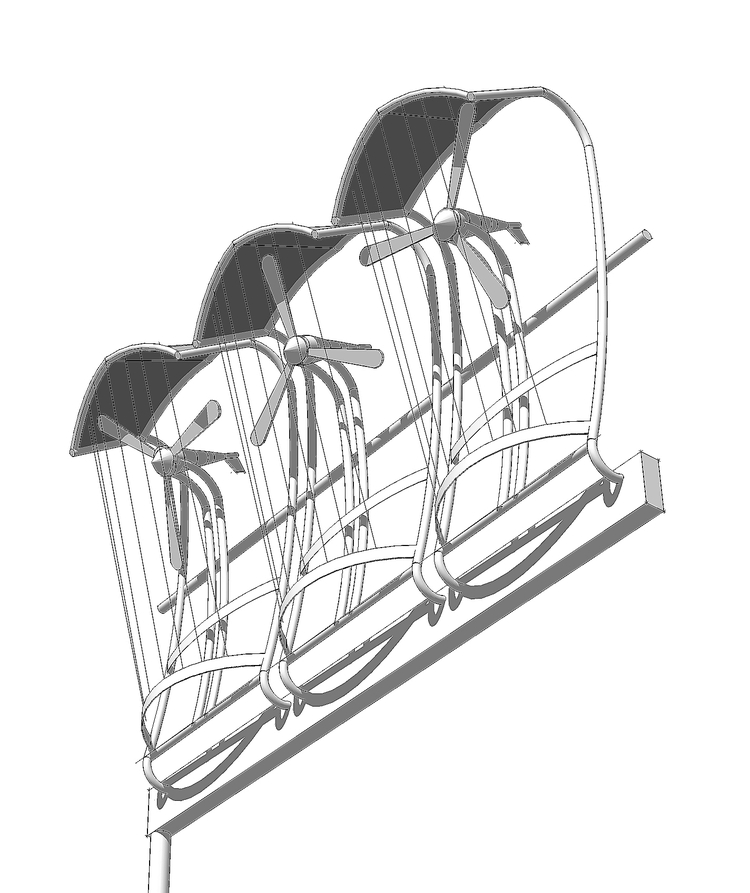
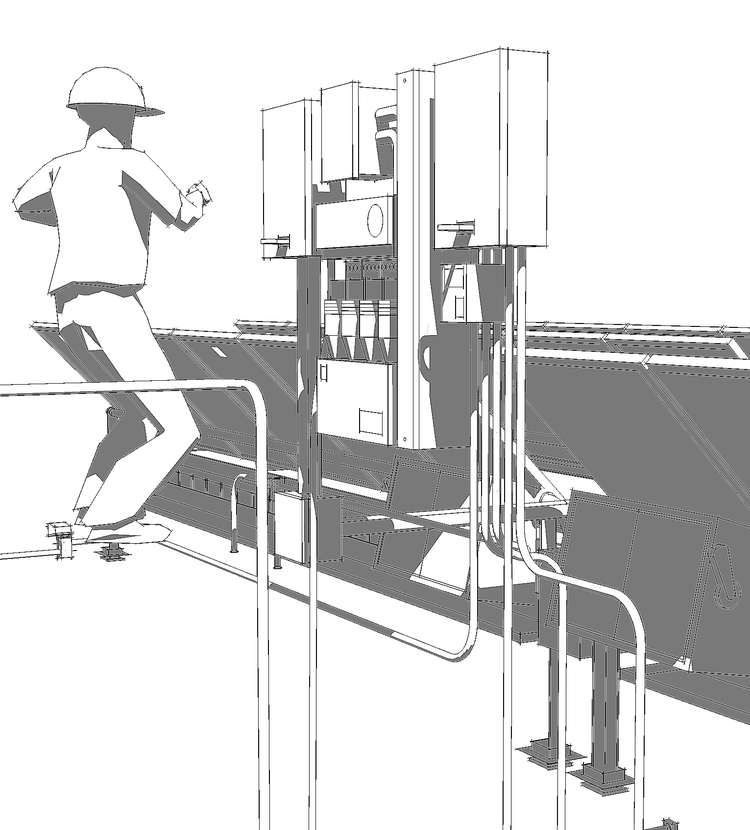
Click to Download this SketchUp Model of our Hypergraphic NEST Trainer


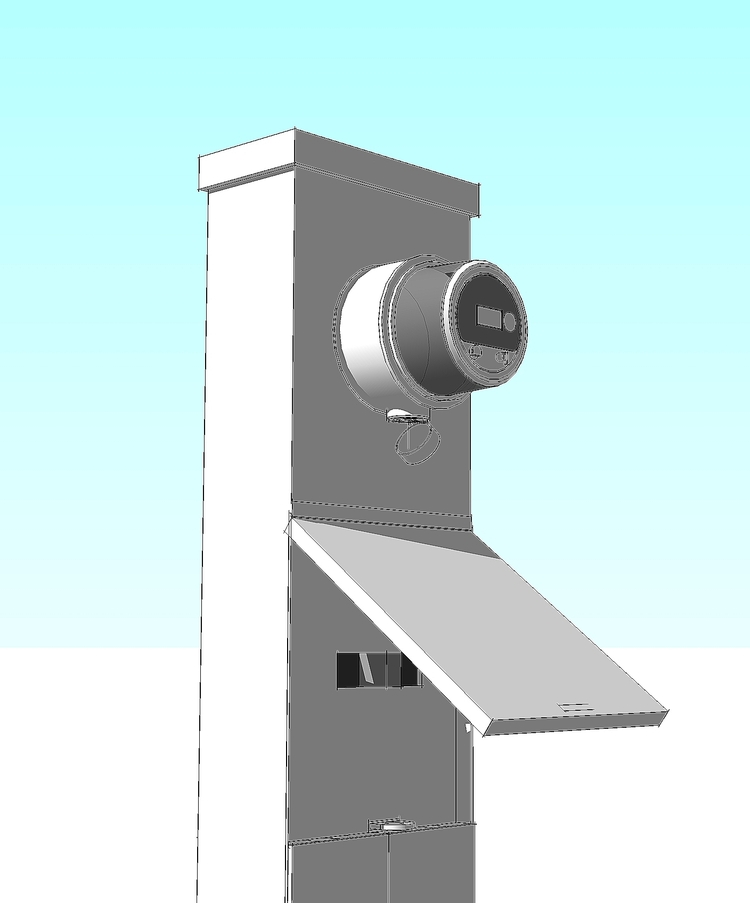
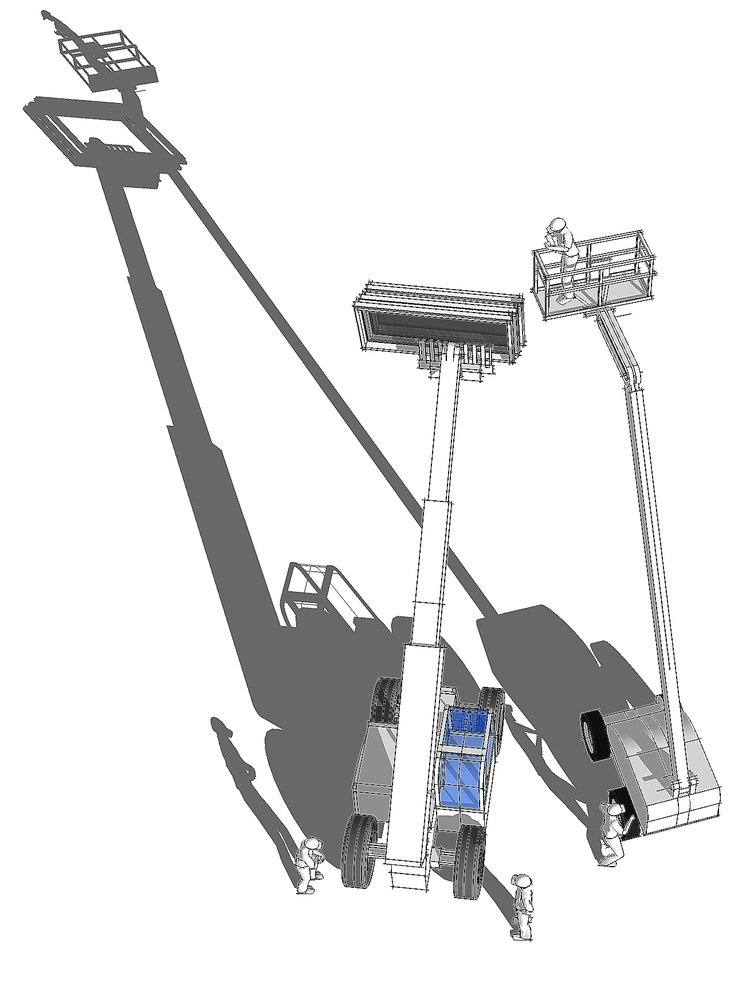
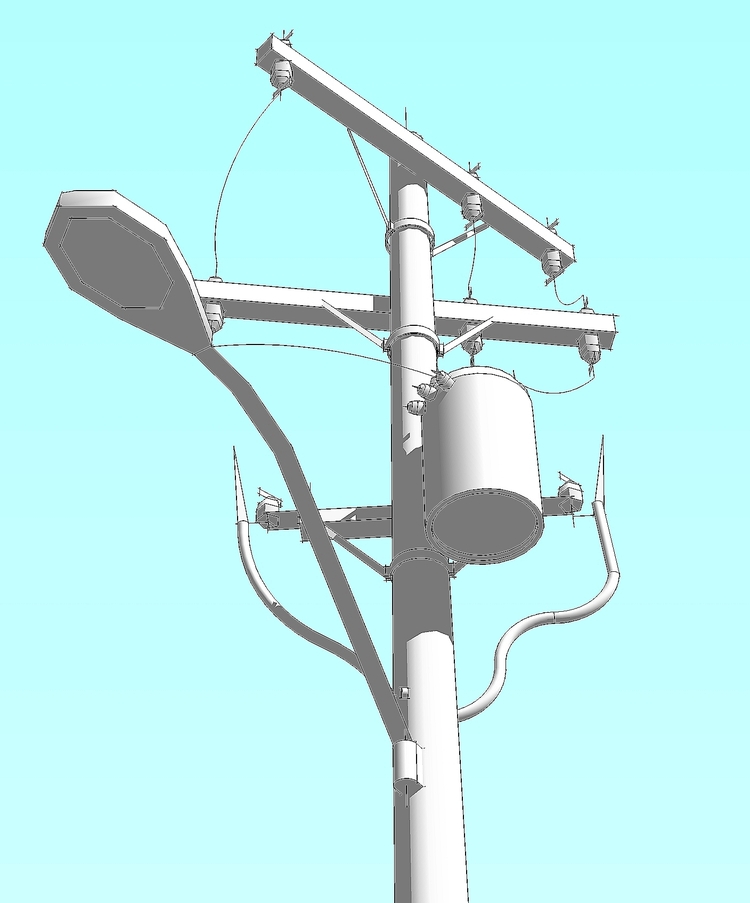
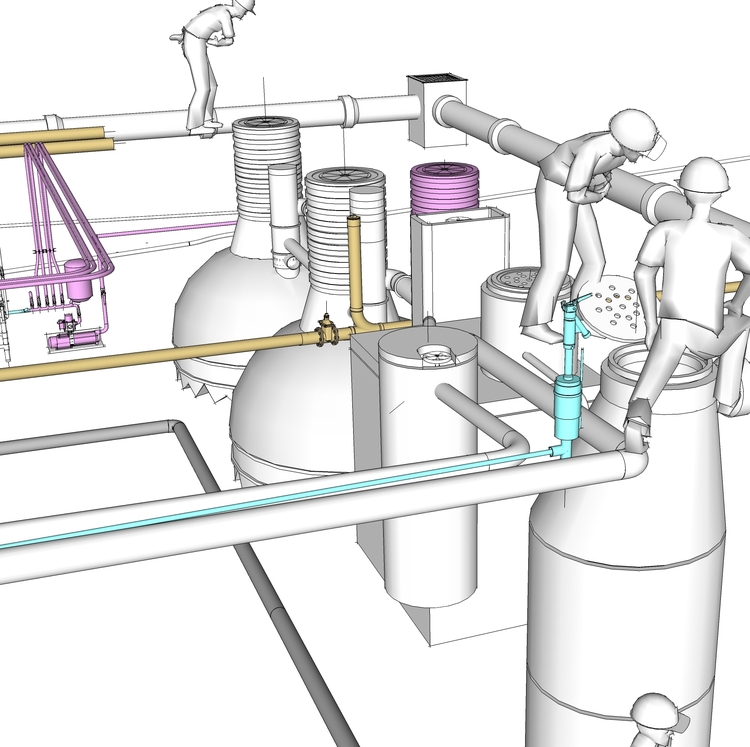
*Images are from our new book, A House of Your Own: Plan Permit Pay in 3D, see www-insitebuilders.com

Sunday, November 22, 2009

Construction Communication and The Cloud

The response to the article “Good Enuf Construction Communications” was generally mixed, mostly from senior project managers dealing with the day to day challenges of the real world.
“Sorry...but buildings are still built face to face...not on a computer or IPod, or via text messages...I just recently fired one of my new hires because of the exact reason you are indicating it is a good thing......” CK
He's right, and I totally agree -- since the conclusion at the bottom of the article was pretty much exactly the same. He missed the point, but the miss of course was not the fault of a reader, but completely the fault of page headers and the linear format of a written blog.

It makes one think about how little time a professional manager really has to read to the bottom of any document. No doubt why specs, minutes, and memorandums are skimmed and generally go unread. And how much time is there to communicate or even mentor a new hire face-to-face? Little to none, that's for certain

Changing Faces of Technology
Another comment from an experienced project manager in France shows the same communications challenge.
“From my point of view, you cannot reduce language to a few words … you take more time to describe some particular stuff because you don't know the right word to use : I hear it everyday in the construction field : Youngsters don't know the right word, so...they invent (new) ones...” OT
He's again right, the real challenge for construction managers is to interact across a communication gap, one that combines an instinct for multitasking, limited time and attention spans, and access to the kind of technology, now fairly common and accessible to most young professionals.

Take a look at a typical wireless home. Note especially how the same home-based technology creeps into the tools of construction management.


This StudioDELL video shows the kind of home that is increasingly becoming an information and entertainment center. This is a place where wireless access blends with daily tasks to give a new generation of managers the almost natural ability to communicate in completely different ways. Ways that do not easily translate to every busy construction professional.

Faces in a Cloud Communications
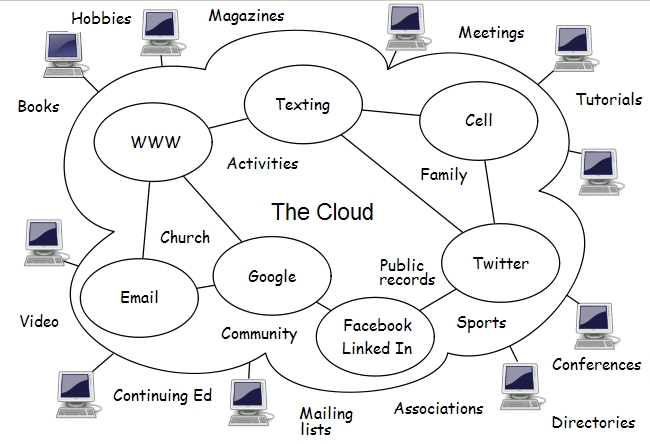
What we’re seeing is a growing cloud of information. And it’s not only found in construction. For example, listening to a doctor’s advice has changed radically. Not only does a doctor have less time, s/he is monitored by open critiques, online reviews, and lay and professional opinions posted to hundreds of possible websites.

And few still listen to any professional advice without not only “googling” the medical information, but the doctor’s name, professional background and activities, as well as any insights into their personal lives that are floating in the cloud of information available wirelessly from the front seat of a pick-up truck.


(Source Wikimedia Commons, Sam Johnston, See also: http://creativecommons.org/)
.
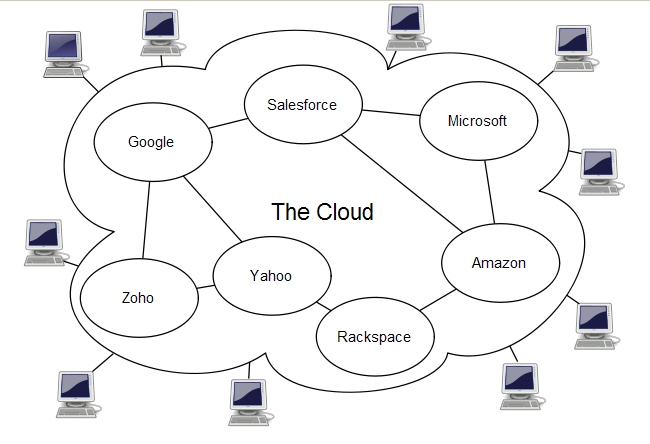
The Cloud of course, is the internet-based use of computer technology. It’s a shift in information technology in which Wikepedia’s authors see that “details are abstracted from the users who no longer need knowledge of, expertise in, or control over the technology infrastructure." IOW, the internet brings a transparency to both information and communications. The old time face-to-face now includes hundreds if not thousands of faces-to-faces.


When the full potential of this cloud is understood, anyone on or off the project team can find detailed project information mixed together with family, hobbies, past project experience, and alternate opinions about almost any construction materials or methods, all blended to underscore or contradict an authoritative technical response. There is no control point or obligatory power position (OPP) any more. Information transfers seamlessly from the cloud.

Changing Faces of CM
And as most already know, the faces are changing as quickly as the technology. Take a look at these new-gen professionals from Construction Management Association of America (CMAA) postings to U-Tube.


One can see in these fresh faces the same commitment to the construction industry we all share. Only they've learned to operate and expand their communications skills using this cloud of information, mostly because they’ve been educated and are succeeding because it has always been there (for them).

BTW, CMAA is also on Facebook, which means all the construction management "fans" or “friends” of their page also have a page on Facebook. Check the sidebar to see the faces of professionals networking and communicating in this newly forming cloud. Some even Twitter along with one of the CMAA VP’s John McKeon, while he’s making his daily rounds.

The New Face to Face
The challenge, of course, is much broader than communications within any one country, with both team members and competition spreading globally in an economy that is in itself rapidly restructuring. Take a look at this trick from Tecton.


IMHO, the genius of these emerging technical innovations and this growing cloud of information will not rest with its technical inventors and programmers. The real strength of the new face-to-face will rest with the men and women who are able to see beyond the traditional obligatory power points. These are the PMs, CMs, ORs, regulators, investors, and citizens who are able to access the underlying and once hidden motivations we’ve all learned too well to mask behind the old face-to-face.

As I see it, the new face-to-face emerging from simple good-enuf interactions, adds a whole new meaning to the word “communications.”
.

Sunday, October 4, 2009

Good Enuf Construction Communications

The Associated Press reported recently that students are writing papers and answering essay questions on their test in what Nathan Snow calls IM/Text Speak – a kind of short hand that gives users the ability to maintain rapid, almost continuous intercommunications.


While some educators see this as further evidence of the deterioration of writing skills, many point to the fact that students are actually writing far more than they did just a few years ago and learning to build strong communication skills. In fact, the entire context of social networking is stretching the boundaries of relationships between students, students and teachers, teachers and teachers, and innovative young professionals.


Cell to cell is the new face to face

Wired Magazine notes in “a study by comScore MediaMetrix, more than 250 million people use instant messaging regularly. And IDC estimates that more than 7 billion instant messages are sent every day.” To put that into perspective, the population of the US is a little over 300 million.


The spread of computer mediated communications is obviously growing exponentially around the world. Even more interesting is the introduction of a miniaturized 3D environment by companies like “There.” They’ve invented a way to let people communicate with each other inside an animated three dimensional space – on their cell phones.


One can easily imagine these three-dimensional environments growing into larger virtual worlds, stretching the potential of cell to cell communications, suggesting an even deeper value for the communications challenges facing the construction industry.


Communication tangled by technology

At the same time, what is particularly interesting is how the real communications potential of simple cell to cell conversations gets tangled up in the marketing mumble jumble of constant upgrades and gigabyte computers.


For example, Edward Tufte writes about what he calls the poverty of content in PowerPoint presentations in his book Beautiful Evidence. He details how the cut and paste format of this slide show software reduced and masked the underlying dangers of what was represented in a slide show as a relatively minor incident, channeling the misunderstandings that caused the Challenger disaster.


Tufte points out that ideas and real openended discussions are reduced to pretty headings, short bullets, and meaningless statements in an often endless sequence of slides and what he points to as PPPhluff (Power Point Fluff). This rigid format shuts down any hope of a real conversation and blocks the kind of interaction needed to reach a comprehensive level of understanding.


Good enough communications

The September 2009 issue of Wired Magazine did an article entitled “the good enuf rvlutn”(sic). The article pointed to a growing trend in technology – simplification and downsizing. As software developers and marketing machines churn through endless upgrades and more and more expensive features in bigger and better incomprehensible PPPluff, it’s the simple things that are coming to be the most effective communicators.


For example, hi-def plasma screens compete directly with tiny portable video iPod movies, multi-gig laptops look more and more like dinosaurs next to little light weight $300 netbooks, and simple straightforward web pages like Google, Craigslist, and even eBay, deliver new markets and new information strategies with none of the flash and flicker that only blurs the underlying message.


This good enough approach is one that cuts to the heart of the underlying value of a technical tool for the construction industry. Take a look at what Mitchel Stangl of Stangl Associates in Amherst MA has been doing with an older version of Google SketchUp Layout. He is clearly reinventing 2D/3D graphic communication with an intuitive approach to construction documentation. His work breaks free of the boundaries of much more complicated programs to return to the essence of what it means to simply explain how his designs are to be constructed.


Do we hide behind our technology?

This explosion in direct communications technology is even more amazing when one looks at high-end graphical work stations running gigabytes of software that cost thousands of dollars to buy and take months and months to master. Only to face regular and inevitable retooling and retraining for the next generation upgrade when even bigger pieces of hardware hit the full color pages of marketing media.


Comparing the incredible complexity of 3D software like AutoCAD to simple intuitive programs like Google SketchUp is a real eye opener. One program takes months to master and is impossible to use by everyone except the very determined (and highly paid..;-). The other program takes only minutes of playing to learn and even children can almost immediately begin to apply the communicative potential of 3D to their ideas and imaginations.


This simple good enough program has now become the starting point for many professional design and construction proposals because it clearly and simply communicates -- in 3D. And it’s free.


Perhaps it’s time to step back from the overwhelming hype and the growing piles of computer generated PPPluff and look at construction communications for what it is and what it always has been, a simple face to face, eye to eye, person to person, voice to voice, exchange of information. And nothing more.


/D

Tuesday, August 18, 2009

Augmented Construction Communication

Project managers who are responsible for developing competitive marketing strategies, know that having a good idea is not nearly as important as presenting that idea effectively to potential clients.

Quick and Simple Graphic Information

As a new communications tool, many companies have learned that SketchUp is uniquely suited to produce the kind of graphic information that is often critical to explaining a particular approach to a construction contract. Exploring this communicative potential and staying out in front of its power is essential in today’s competitive markets.

In fact, each of our construction modeling books ( http://insitebuilders.com) is a research project intended to both explain and explore not only the practical potential of construction modeling, but also to illustrate alternate ways to deliver and transfer construction information.

Presenting Construction Concepts

At the same time, constructors building 3D construction models for their projects also know that almost any model can be quickly cut and pasted from in-house libraries of previous projects. Once a construction model is ready for distribution:
  1. Screenshots can be exported to illustrate a written proposal.
  2. Sequence animations can be embedded into presentation programs.
  3. Both the images and animations can be posted to the web.
For example, these are low resolution images of a research tool we use to explore alternative concepts for both construction and construction documentation. The images were Exported from SketchUp and are fast to upload or email and simple to paste into a text editor, or slide show.


A video animation of the model can also be uploaded to You-Tube. This particular video is a simplified version of a more comprehensive construction model found in our book, Living SMALL.


You-Tube animations can be embedded in an email, web page, or viewed by anyone who visits their site. Alternately, controls can be set to limit viewers to a restricted group of project players.

The SketchUp construction model

The actual SketchUp file can also be uploaded to Google’s 3D Warehouse where anyone can download it, examine its details closely, or embed it in another construction model. Downloads are done within SketchUp, but the file can also be picked up directly from the website containing the shared model.

Manufacturers and suppliers working to serve the needs of the design and construction industry use this feature to make models available of their own products. You can download this model using this Tiny URL link to the Google Warehouse:

http://tinyurl.com/oyhm7s

Note that because the model is also “geographically located” it is possible to view the model on Google Earth as a 3D Building. All one needs is the address of the project to search and fly to its location. As readers of our books know, Google Earth is a powerful program able to contextualize a jobsite and help in site utilization planning.

Hypergraphic Communications

In the end, what we’re seeing is a number of emerging communications technologies, including 3D modeling programs, high level presentation media, and growing social networking sites like this blog, Facebook, and MySpace that can be used to distribute construction information.

Each evolution of these technologies brings new power and potential to increasingly aggressive and innovative companies. Giving those that understand how to use these new tools the ability to present their ideas clearly and communicate in ways that were once considered not only impossible, but unnecessary in the markets of just a couple years ago….
.
.

Wednesday, July 29, 2009

Competitive Construction Modeling

Successful companies use 3D construction models to clearly communicate their ideas and win new projects. These models are a powerful way to deliver and understand construction information because they clearly convey the details of a structure and the actions necessary for its assembly. The models also visually communicate questions and alternatives during construction, setting the stage for an efficient and coordinated production process.


Deteriorating Construction Information.

It’s no secret that the quality of construction drawings has been steadily declining. Facing lower fees, higher risks, and the demand for more information, many designers use stock sheet templates, standard details, and server side resources that allow computer operators to piece together hundreds of sheets of documents with little time to check the results.


As a consequence, poorly drawn construction documents set the stage for adversarial relationships that begin with bid clarifications, memos, and addenda and evolve into hundreds of requests for information (RFI) during construction. These RFIs are regularly followed by field bulletins to correct or stop ongoing work and change orders to adjust the scope and cost of the original contract. Add to all this paperwork revised specifications, daily reports, letters, meeting minutes, and emails and the shear quantity of information quickly becomes overwhelming.


Light & Fast Graphic Communications

The value of our books is that they demonstrate the use of SketchUp as a graphical tool that can streamline the challenges of construction communications. Our objective is to show how construction models can be used as a common collaborative point of view. This reduces redundant communications and the time it takes to describe and explain what can more easily by conveyed in an illustration.


Important is that anyone can build a simple 3D model. This means every person on the project team is able to contribute to the project using models to establish a common point of view.


Guerilla graphics

Model construction is quick, simple, and intuitive. Layer and object level controls are used to stage the model for screenshots. These screenshots are edited and imported into a desktop publishing program, or inserted into email, spreadsheet, word processor, or presentation programs. The resulting images represent strategies, illustrate questions and answers, demonstrate solutions, or visually communicate a series of distinct activities.


Completed models are also a resource for new models. Our readers are encouraged to “pick and pull” pieces or assemblies from our models and use them on their own projects. In other words, the equipment, frames, and mechanical systems included in the models with our books can be used to build almost any other project.


For example, the materials and methods found in “How a House is Built” or “3D Construction Modeling” can be reassembled to build a construction model of almost any imaginable house.


In the same way, the equipment, formwork, and mechanical systems found in “Building SIMPLE” and “Being SUSTAINABLE” can be quickly reassembled to represent almost any type of commercial building.

Competitive Construction Communications

If a picture is worth a thousand words, and a model can generate a thousand pictures, a single construction model can easily illustrate even the most complicated assembly. This makes a three-dimensional model a critical resource in competitive construction communications.


.

Sunday, July 12, 2009

Spotlight: Insitebuilders

June 29, 2009

Csaba Pozsárkó, SketchUcation.com, Interviews Jun 29, 2009

Barbara and Dennis Fukai are the people “behind” Insitebuilders, a small press specializing in books for the design and construction industry. All of their construction books are written as graphic narratives using a combination of three-dimensional illustrations, interactive 3D construction models, short videos, captioned text, and interactive media. Their goal is to keep their construction books simple. The objective is to make complex construction information quick to read and easy to understand. To accomplish this they use very accurate 3D construction models built with Google SketchUp. The Daily CatchUp asked Dennis about his reasons for using SketchUp for this purpose.


TDC:
What do you see as the real value of SketchUp?

Dennis: I think Brad Schell, the founder of SketchUp, said it best on the cover of our book “Building SIMPLE: Building an Information Model.” To paraphrase, he saw 3D modeling as the best way for everyone to share the ideas, designs, and dreams we all have floating around in our heads. For Brad, everyone, the “professional architect, builder, mom and pop remodeling a kitchen, or a kid designing the next space station…” has an idea that needs to be expressed. In short, his dream was to bring 3D to the masses, and that’s exactly what he did.

What has always amazed me about SketchUp is its intuitive feel. It seems like the tools are right where they should be, they operate almost exactly how one would expect them to, and the program anticipates the little things necessary to make 3D modeling easy for everyone. In fact, the pure genius of SketchUp, is that some how the original @Last team was able to get all of these ideas coded into a simple program that seems to just expand and grow from within its own user base.

And what is truly amazing is that in all our books, with thousands of pieces in hundreds of assemblies, we have yet to find the limit of what even the early versions of SketchUp can do. There is no way any of this is an accident, and I continue to admire how inventive and instinctive that early vision remains in probably the most useful product out there for construction modeling.


TDC: Why use SketchUp for construction modeling?

Dennis: Though it’s a great design tool, SketchUp is more than a pretty face. It also has an important role to play as an information and communications tool for manufacturing, construction, and property development. In fact, its real value is not that it can simply illustrate objects in 3D, but that it can also very quickly model and communicate “time” as an erection sequence, simulated field assembly, or a preconstruction process. (See Dennis’s blog)

We use our books to show how SketchUp can be an effective tool to visually communicate the means and methods of an assembly as a series of distinct events or activities. This is especially important in risk management, but it is equally important in discussing change orders and clarifications because it sets up a visual understanding of a problem from a common point of view.


The result is an increasingly collaborative approach to construction, where owners, designers, and constructors are all able to animate concerns in 3D, illustrate project production over time, test alternative approaches to an assembly, and evaluate schedules and costs as a logical sequence of activities in order to find the best values for a project.


TDC: How is construction modeling different in SketchUp?

Dennis: The speed and intuitive feel of SketchUp makes it easy for almost anyone to build a construction model. The trick is using the Outliner in combination with strict control over the organization of the pieces of the total construction. Layer controls, Groups and Components help, but the basic idea is to maintain distinct clusters of objects as a controlled collection of nested construction assemblies.

Fortunately, almost all estimates and schedules in construction are organized in a work breakdown structure (WBS). This means the WBS quickly provides an over all framework for the pieces of the construction model, including three standard levels of subassemblies, sequences, and the supporting labor and equipment used to actually build almost any complex construction project.

The organizational methods we use for the construction models in our books have evolved with the changes to SketchUp over the years. This means that our readers not only interact with the animated details of complex construction in 3D, but they can also follow through with those assemblies using the hands-on project based tutorials included with every book.


TDC: Thank you, Dennis, for these “insights” and finally here are some exciting (though low resolution) samples from the books:

Thank you Csaba !!

/D

Monday, May 18, 2009

A Faded Tradition of Interaction

Back to the future

Construction drawings were once works of art. Not for their detailed precision or extensive notes and documentation, but simply for their expressive representation of a building. In those days, ideas evolved from sketchy schematics to roughly scaled preliminaries, with time to review alternatives and think through their constructability.


Final drawings were inked with ruling pens on pressed linen using T-squares, triangles and curves to shape beautiful illustrations of the building. The result was a set of drawings based on a thoughtful process that was fundamental to the pride and challenge of a team of good draftspersons.


This was also an era when builders and drafters could take the time to collaborate and work together to shape a building during its construction. The finished drawings were no more than a starting point for a working relationship between skilled tradesmen and women who could take pride in abilities that they had acquired through years of apprenticeship and training.


With the advent of time saving instruments like parallel bars and drafting machines, ideas continued to be drawn, but the speed and versatility of these new instruments meant details could be discussed and noted on the drawings entirely within the designer’s office. In other words, rather than rely on open relationships on the jobsite, drafters began detailing the “requirements” for the constructions before the drawings reached the field.


Controlled collaboration

This ability to presuppose the input and experience of the builder meant construction drawings soon lost their place as the start of a conversation. Working drawings became contract documents, with detailed notes and specifications penciled onto sheets of vellum outside any input from a builder -- collaborative opportunities for mutual cooperation were quickly forgotten.


Then computer aided design (CAD) became an essential drafting tool silencing even the skilled draftsperson. With the advent of CAD, once open drawing-board-conversations between skilled designers were inadvertently lost to the memory of a machine. Newly trained CAD operators labored in “virtual” isolation to manipulate lines and letters, using templates and libraries of graphic data with conversations limited to redlined corrections and data input. What little construction knowledge that could be exchanged was dulled by the monitors of isolated work stations.


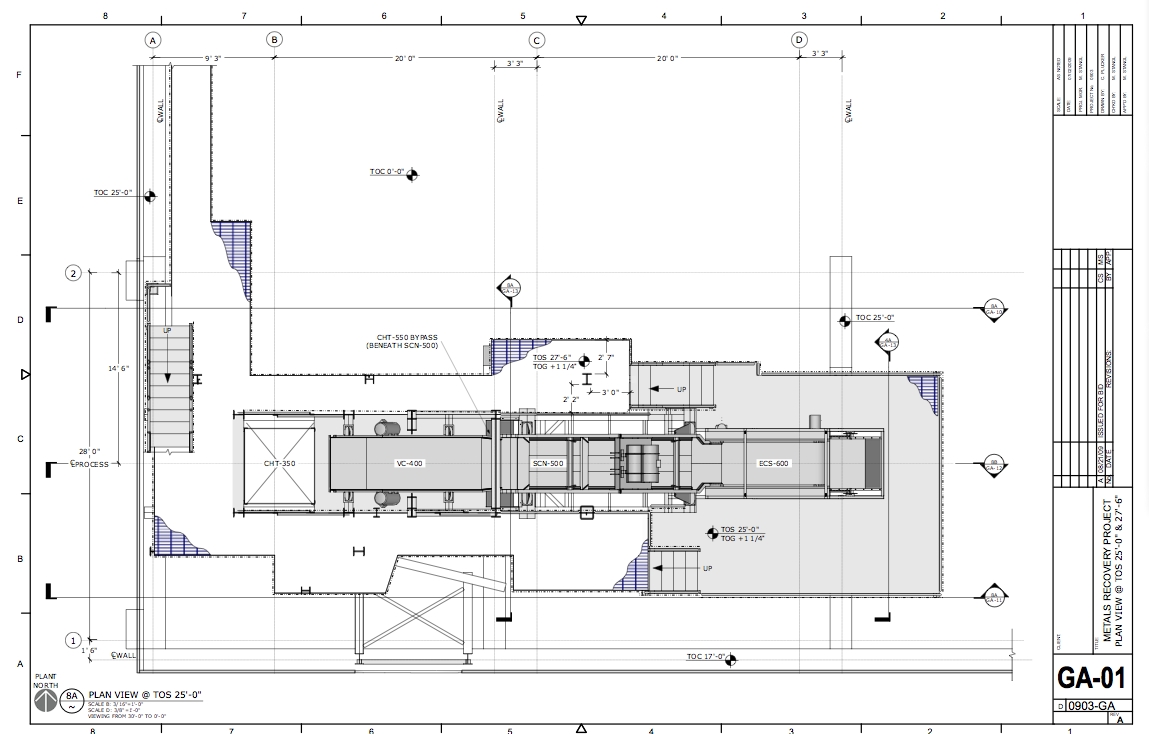
The latest technical development takes this breakdown in any collaborative approach one step further. With building information modeling (BIM), software publishers promise that a set of two-dimensional documents can be “parametrically” generated from detailed design models. With the expanding power of graphical computers, hundreds of sheets of drawings and thousands of pages of specifications can now be automatically extracted from three-dimensional databases, leaving little time for any discussion.


Silenced by the technology

Ironically, both the builder and the practiced draftsperson are now silenced by a widening technical gap. Worse yet, the computer operators who build these parametric models are even further removed by the same technology. As the puppets of project management, they have been reduced to performing tasks with limited understanding of the nuances of the real-world constructability or the implications of the plans automatically generated by their computers.


In response, large construction companies have installed their own graphical work stations. Operators struggle to generate preconstruction and as-built models using the same design software to anticipate and resolve conflicts and problems that may occur in the field. The use of this software by constructors indicates a commitment to cutting edge information technology, even though the real value of these programs is its advertised potential to automatically convert 3D models to 2D contract drawings (parametrically). Not something many builders need or want in the real world.


The challenge of course is to respond to the potential of this new technology, without lo

sing the exchange of ideas and interaction fundamental to discovering solutions in the construction process. Like the once skilled draftsperson, professional builders can easily be buried by a protracted learning curve, cut off by a technology that blurs the essence of what it means to be a builder.


Construction models are not BIM

A construction model graphically defines scope and anticipates real-world conflicts and alternatives with little need for two-dimensional drawings. These models mix sequence animations and assembly and process simulations to communicate ideas spontaneously in an ongoing construction process.

Important is that a construction model differs from a designer’s BIM model. While in theory a detailed BIM model incorporates the subassemblies necessary to produce a set of contract documents, a construction model intends to graphically represent ideas in support of a continuing conversation in real-time construction.


In practice, the construction modeling process helps builders think through and visualize more than the finished assembly. It is fundamentally a tool to hypergraphically plan and anticipate the impact of change and the values of different approaches to the same result. In other words, construction models embody the means and methods that interact and evolve with the variable of real-world construction.


The strength of a construction model must therefore be in the simplicity of its production. Any technical distraction, other than to directly represent a construction concept and clearly illustrate a series of actions, only distracts from its communicative potential for the seasoned builder.


Keep it simple

A three-dimensional construction model must therefore be absolutely dead simple to build. The software must reduce the production of the construction model to the essence of its value to hands-on builders. This means learning the program must be intuitive, requiring no more than an hour or so to gain proficiency, yet capable of generating the kind of detail that can be used in a variety of interactions.


To meet these requirements there are several 3D programs, any one of which could serve the needs of different builders and all of which are free. These programs range from basic modelers with simple sets of construction tools like DeleD and 3Dbase to photorealistic modelers like POV Ray, Blender3D, and TrueSpace from MicroSoft. Of course, the most popular 3D modeling program and perhaps the most intuitive for hands-on construction modeling is Google SketchUp.


In the end, the choice of the modeling program is really unimportant. The most important requirement of a construction model is the model builder’s underlying and fundamental understanding of the construction process. From this basis, a construction model can communicate an approach, plan a process, and think through alternatives.


Like the early pen and ink drawings of our graphic tradition, the resulting three-dimensional images will then focus the conversation on the actual construction, helping all the project players, on and off the jobsite, to literally see and share the same point of view.

.